


Obsessive–Compulsive Disorder (OCD) is gaining increasing attention in Vietnam, especially among young people. This is no longer just a personal issue, but a mental health concern that has a deep and lasting impact on both families and the wider community. In this article, we will provide detailed guidance on how to recognize OCD, its main causes, and the long-term effects if left untreated.
Overview of Obsessive–Compulsive Disorder
The recent increase in cases of Obsessive–Compulsive Disorder (OCD) highlights the growing need for proper awareness and understanding of this condition. Many people often mistake meticulous habits for signs of OCD, which can lead to delays in seeking support or appropriate treatment.
What is Obsessive–Compulsive Disorder?
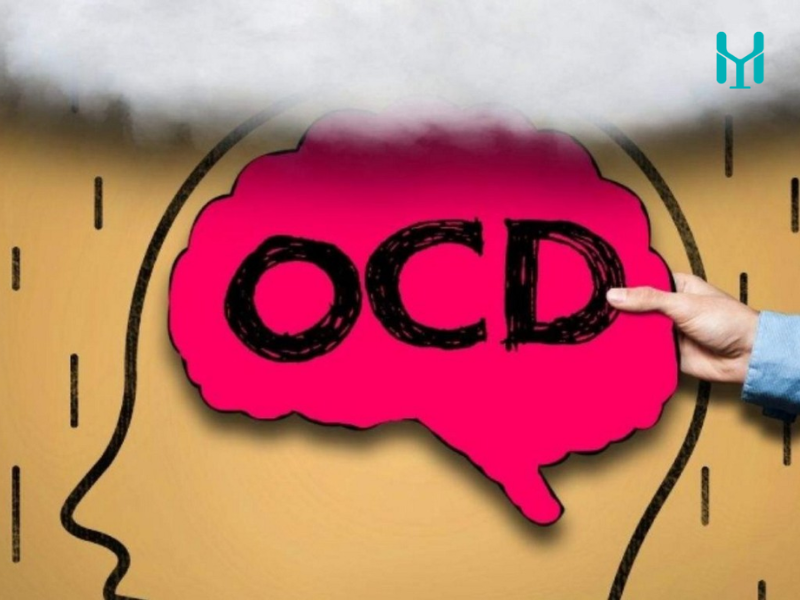
Obsessive–Compulsive Disorder (OCD) is a mental health condition characterized by recurring obsessive thoughts and compulsive behaviors performed to relieve anxiety.
People with OCD often find it difficult to control intrusive thoughts, irrational fears, or doubts, which lead them to repeat certain actions such as checking locks multiple times, washing their hands excessively, or arranging objects in a rigid order. These psychological disturbances can persist over time and significantly affect a person’s quality of life if not addressed promptly.
Common Characteristics of People with OCD

People with Obsessive–Compulsive Disorder (OCD) do not show just one single symptom. They often experience a combination of repetitive thoughts and behaviors. Some common characteristics include:
- Persistent obsessive thoughts: The obsessions may revolve around cleanliness, safety, or irrational fears of harming themselves or others.
- Repetitive compulsive behaviors: To reduce the anxiety caused by these obsessions, individuals with OCD feel compelled to perform certain ritualistic actions. For example, repeatedly checking locks or light switches, washing hands, cleaning excessively, or arranging items in a specific order.
- Loss of behavioral control: Even though they are aware that their behaviors are irrational, they still find it impossible to stop. Anxiety often intensifies when they try to resist these compulsions.
- Time-consuming routines: Many people spend hours each day on compulsive behaviors, which interfere with work, studies, and family life.
- Difficulty concentrating: Constant intrusive thoughts occupy their minds, making it hard to focus on daily tasks or academic work, leading to a noticeable decline in performance.
These characteristics may vary from person to person but often occur together, creating a significant psychological and physical burden.
Causes of Obsessive–Compulsive Disorder (OCD)

Obsessive–Compulsive Disorder (OCD) develops from a combination of various factors. Some common causes include:
- Genetic factors: Individuals with a family history of OCD or other anxiety disorders are at a higher risk of developing the condition.
- Brain changes: Imbalances in neurotransmitters, particularly a deficiency of serotonin in the brain, may be linked to the onset of OCD symptoms.
- Stressful living environment: Prolonged stress, psychological trauma, or major life events can trigger or worsen symptoms.
- Personality traits: People who are perfectionistic, overly cautious, or prone to worry are more likely to develop obsessive or compulsive behaviors.
- Coexisting mental health conditions: Disorders such as depression or anxiety can increase the severity of OCD symptoms.
These factors rarely act in isolation. Instead, they interact in complex ways, creating a unique clinical picture for each individual.
Effects of Obsessive–Compulsive Disorder (OCD)
Obsessive–Compulsive Disorder (OCD) is not only a personal burden but also affects families, workplaces, and the broader community. Recognizing the extent of its impact allows both society and individuals with OCD to adopt more appropriate and effective approaches to support and treatment.
Impact on Daily Life

People with OCD may spend several hours each day performing compulsive behaviors, which can disrupt their work and academic performance. Personal routines such as eating and resting are also disturbed. Repetitive actions like checking doors, switching lights on and off, or excessive cleaning often cause delays in daily activities. Relationships with family members may become strained as they expect others to follow certain rules or withdraw from social interaction. Over time, this condition can lead to reduced income, loss of career opportunities, and even the breakdown of marriages.
Psychological Effects
OCD often causes feelings of shame, low self-esteem, and constant anxiety. People with the disorder are more likely to experience depression and chronic insomnia. Social isolation, driven by the fear of being judged, deprives them of emotional support and can worsen their condition. In many cases, ongoing stress increases the risk of substance abuse or self-harming behaviors. This creates a vicious cycle that is difficult to escape without timely intervention.
Potential Consequences for the Community

When Obsessive–Compulsive Disorder (OCD) remains untreated for a long time, it can lead to decreased productivity and increased healthcare costs. Families often have to devote significant time and financial resources to support their loved ones. A lack of understanding about the disorder also fosters stigma, limiting recovery opportunities. As a result, the consequences extend beyond the individual, affecting the economy and overall social well-being.
Hoang Yen Psychiatric Clinic – A Trusted Address for Treating Obsessive–Compulsive Disorder (OCD)

Hoang Yen Psychiatric Clinic is directly operated by Specialist Doctor Level II Nguyen Hoang Yen. With over 20 years of experience in psychiatry, Dr. Nguyen Hoang Yen and her team of highly qualified and dedicated medical professionals provide comprehensive, high-quality mental health assessment and treatment services.
At the clinic, individuals showing signs of Obsessive–Compulsive Disorder (OCD) will receive thorough examinations, including screening procedures, clinical evaluations, and in-depth assessments based on medical standards. The goal is to accurately identify obsessive and compulsive symptoms, as well as their impact on daily life, in order to offer the most appropriate guidance.
With a friendly environment, updated diagnostic procedures, and attentive care, Hoang Yen Psychiatric Clinic is a trusted destination for those seeking evaluation and diagnosis of Obsessive–Compulsive Disorder. If you or your loved one show signs of OCD, visit Hoang Yen Clinic for timely consultation, assessment, and support — laying the foundation for long-term recovery.
Contact Information:
- Address: No. 12, Alley 44, Do Quang Street, Yen Hoa Ward, Hanoi.
- Hotline: 0974 509 322
- Website: https://phongkhamtamthanhoangyen.com/


