


Anxiety disorders are among the most increasingly common mental health issues in modern society. Accurately recognizing the symptoms of anxiety disorders helps patients and their families take timely action, minimize risks, and improve quality of life. In this article, we will provide a detailed expert perspective so you can gain a clear and scientific understanding.
Overview of Anxiety Disorders
Anxiety disorders are more than just the fleeting worries that many people experience in daily life. They are conditions that can persist over time, negatively impacting mental health and overall quality of life.
What is an anxiety disorder?
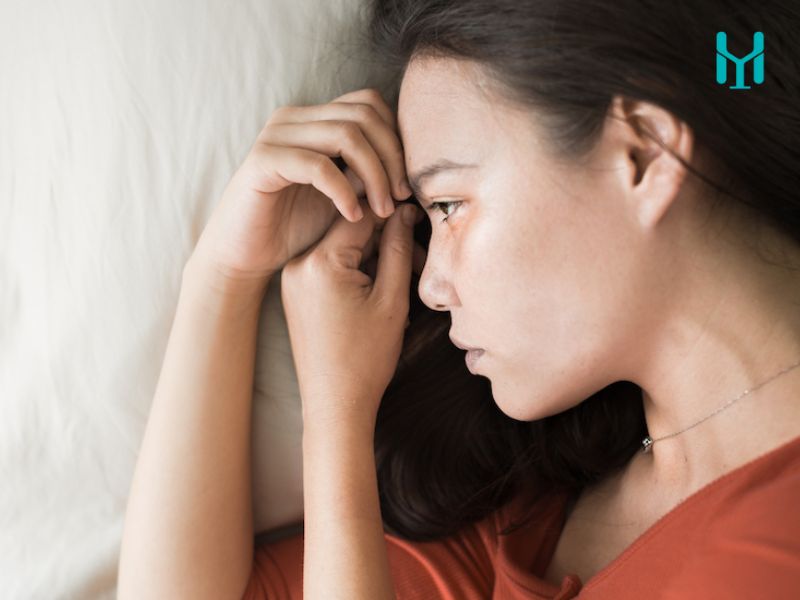
According to psychiatrists, an anxiety disorder occurs when the brain overreacts to stressors, leading to prolonged feelings of fear and anxiety. Individuals are unable to control these anxious thoughts, even when the original cause no longer exists.
Unlike normal worry, anxiety disorders are frequent, intense, and recurring. Without treatment, they can lead to consequences such as insomnia, physical exhaustion, and even depression.
Common Types of Anxiety Disorders
Experts classify anxiety disorders into several types:
-
Generalized Anxiety Disorder (GAD): Persistent anxiety without a specific identifiable cause.
-
Panic Disorder: Sudden panic attacks accompanied by rapid heartbeat, shortness of breath, and sweating.
-
Social Anxiety Disorder: Excessive fear in social interactions, meeting strangers, or speaking in public.
-
Obsessive-Compulsive Disorder (OCD): Repeated intrusive thoughts and compulsive actions to reduce stress.
-
Separation Anxiety Disorder: Common in children, triggered by being apart from parents or close caregivers.
These disorders may occur independently or in combination, increasing the severity of the condition.
Common Symptoms of Anxiety Disorders
To accurately recognize anxiety disorders, it is important to observe multiple aspects. Symptoms extend beyond emotions to cognition, physical sensations, and behavior.
Emotional Symptoms

Individuals with anxiety disorders often experience persistent feelings of fear, tension, or excessive worry. These emotions can arise without any specific cause, leaving them unable to control their mood.
Some patients describe feeling as if “something bad is about to happen,” even when there are no real signs of danger. Prolonged stress of this kind can significantly reduce quality of life.
Cognitive Symptoms

Anxiety disorders directly affect how individuals think and process information. Common cognitive symptoms include:
-
Difficulty concentrating, easily distracted.
-
Persistent negative thinking, fear of failure.
-
Tendency to exaggerate the danger of a situation.
According to experts: “People with anxiety disorders often have a pessimistic thought pattern, preventing them from making accurate decisions even in minor matters.”
Physical Symptoms
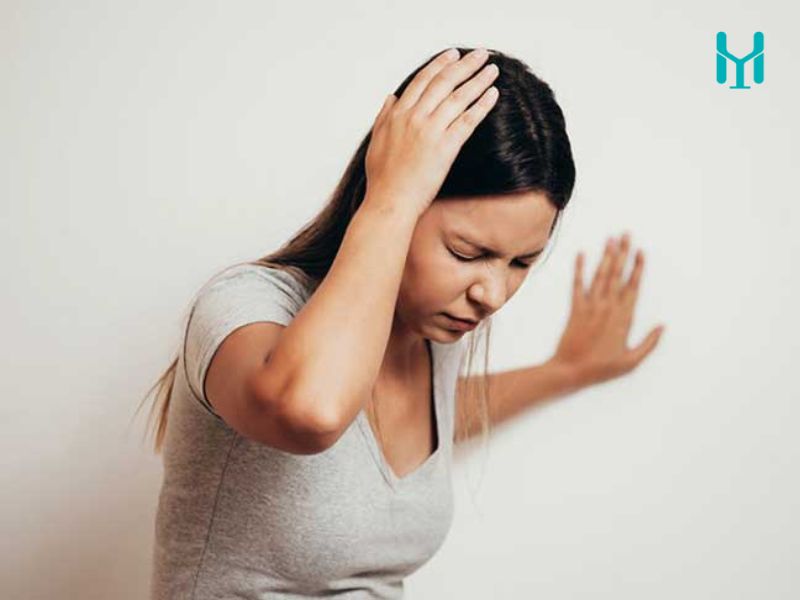
The body also reacts strongly when the brain is in a prolonged state of anxiety. Common physical symptoms of anxiety disorders include:
-
Rapid heartbeat, elevated blood pressure.
-
Excessive sweating, trembling hands or feet.
-
Headaches, dizziness, difficulty breathing.
-
Muscle tension, abdominal pain, or digestive disturbances.
These signs can be mistaken for cardiovascular or digestive conditions, which may delay proper diagnosis.
Behavioral Symptoms

Individuals with anxiety disorders often exhibit noticeable changes in behavior. They may avoid social situations, refuse to participate in community activities, or limit going out.
Additionally, they can become irritable, impatient, and may turn to alcohol, tobacco, or other stimulants to relieve anxiety. However, these are only temporary solutions and can worsen the condition.
Some Ways to Prevent the Risk of Developing Anxiety Disorders

Although anxiety disorders can arise due to genetic or environmental factors, lifestyle changes can significantly reduce the risk.
-
Maintain a healthy daily routine. Sufficient and regular sleep helps the brain recover and reduces neural stress.
-
Engage in regular physical activity, especially gentle exercises such as yoga, meditation, or walking. These habits help balance emotions and lower cortisol levels—the stress hormone.
-
Maintain social connections. Sharing feelings and difficulties with friends, family, or professionals helps relieve pressure while fostering a sense of safety and connection.
-
Limit the use of stimulants such as alcohol, coffee, or tobacco. These can exacerbate anxiety symptoms and lead to dependence.
Hoang Yen Psychiatric Clinic – A trusted destination for patients with anxiety disorders

Seeking a reputable medical facility plays a crucial role in the treatment of anxiety disorders. Among them, Hoang Yen Psychiatric Clinic is trusted by many patients due to its experienced doctors and modern treatment methods.
The specialists here not only focus on treating the symptoms of anxiety disorders but also emphasize mental recovery and guide patients in building a healthy lifestyle. With advanced equipment and a welcoming treatment environment, Hoang Yen Clinic provides peace of mind for both patients and their families.
Contact Information:
- Address: 12, Alley 44, Do Quang Street, Yen Hoa Ward, Hanoi
- Hotline: 0974 509 322
- Website: https://phongkhamtamthanhoangyen.com/
Accurately recognizing the symptoms of anxiety disorders is an important step to prevent the condition from worsening and to minimize its negative impact on daily life. We believe that with expert knowledge and proper attention, you can effectively prevent and manage anxiety disorders.
If you or a loved one are showing unusual signs, do not hesitate to seek support from mental health professionals for timely guidance. Mental health not only determines quality of life but also forms the foundation for success in all aspects of life.


