


We each spend at least one-third of our lives sleeping. Sleep is not only a time for rest but also a crucial period for the body to recover and restore energy. Yet, an increasing number of people—especially young adults—are facing sleep disorders. This issue is not merely about health; it also reflects the pressures, lifestyle habits, and psychological challenges present in modern society.
In this article, we will explore the symptoms, causes, and current situation of sleep disorders, particularly among young people, to provide a comprehensive perspective and practical solutions.
What Are Sleep Disorders?
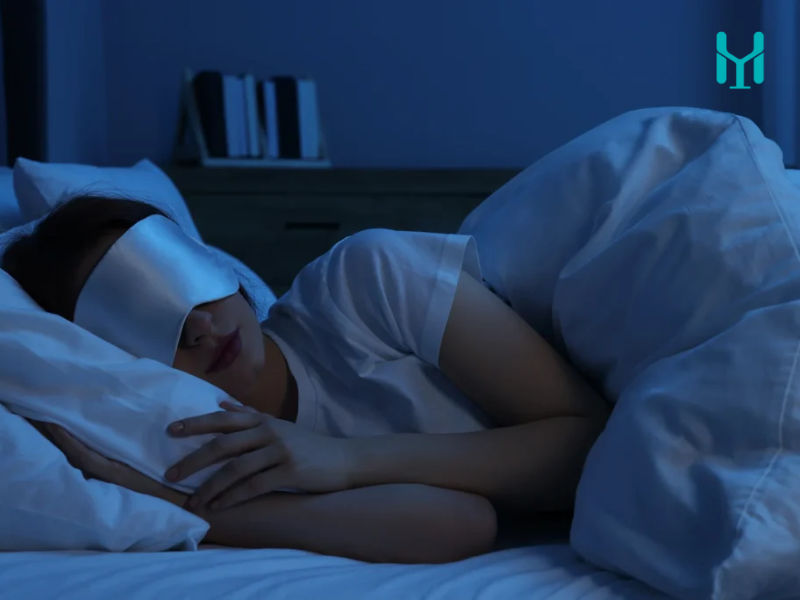
The term sleep disorders refers to abnormal changes in the quality, duration, or circadian rhythm of sleep, causing it to be disrupted or not occur naturally. Individuals with sleep disorders often have difficulty falling asleep, experience shallow sleep, wake up easily during the night, or wake up too early and struggle to fall back asleep. Over time, they tend to feel fatigued, have poor concentration, and experience a decreased quality of life.
According to psychiatrists, sleep disorders are not merely temporary insomnia. They can signal underlying psychological issues, prolonged stress, or other medical conditions in the body. If left unaddressed, sleep disorders can directly impact both physical and mental health, as well as academic and work performance.
Understanding sleep disorders helps individuals recognize their condition and seek early intervention. Ignoring or underestimating the problem can allow it to develop into a chronic condition, affecting long-term mental and physical health.
Common Symptoms of Sleep Disorders
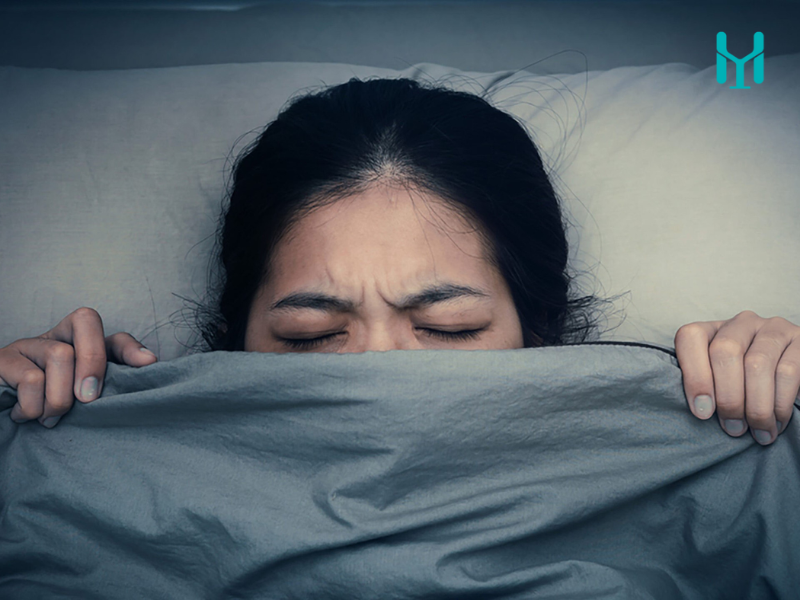
Sleep disorders are more than just a few sleepless nights. They represent a prolonged condition with various manifestations that directly affect both physical and mental health. Properly identifying the symptoms is an important first step in determining whether someone is experiencing sleep problems.
- Difficulty falling asleep and prolonged insomnia: The most common symptom of sleep disorders is struggling to fall asleep, tossing and turning for hours despite feeling physically tired.
- Shallow, fragmented sleep: Some individuals may manage to sleep but experience light, interrupted sleep, waking frequently during the night or earlier than usual. This leaves them feeling chronically sleep-deprived.

Excessive Sleep: Contrary to insomnia, some individuals may sleep excessively. They might sleep 10–12 hours yet still feel fatigued, groggy, and prone to daytime drowsiness. This often-overlooked sign is a clear warning of a sleep disorder.
Reduced Concentration and Memory: Poor-quality sleep impairs brain function. People with sleep disorders often struggle to focus, forget things easily, and experience decreased productivity at work or school. This indicates that the sleep disorder is already significantly affecting daily life.
Causes of Sleep Disorders
Difficulty sleeping is not always caused solely by stress or pressure. In reality, sleep disorders arise from a combination of factors, including psychological, habitual, and health-related issues. Understanding the causes helps in finding the right approaches for treatment and prevention.
Psychological – Emotional Factors
Psychological instability is a major contributor to sleep disorders. Many report that during periods of anxiety, sadness, or prolonged stress, they find it hard to fall asleep or frequently wake up during the night.
Pressure from studies, work, or personal relationships is commonly observed. When the mind is constantly tense, the brain releases more stress hormones, making it difficult for the body to relax. According to mental health experts, individuals with depression or anxiety disorders are many times more likely to experience insomnia than the general population.
Unhealthy Lifestyle Habits
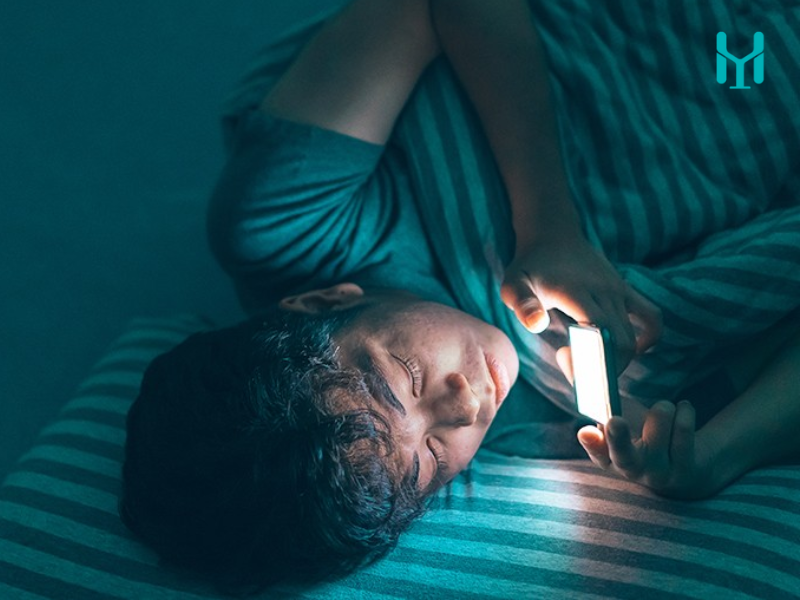
An unbalanced lifestyle is also a significant cause of sleep disorders. Excessive use of phones or computers at night, along with consumption of coffee or other stimulants before bed, can reduce sleep quality.
Additionally, many young people have a habit of staying up late to study, work, or entertain themselves, which gradually disrupts their biological clock. When the body becomes accustomed to irregular schedules, sleep becomes shallow and easily interrupted.
Other Medical Conditions and Factors
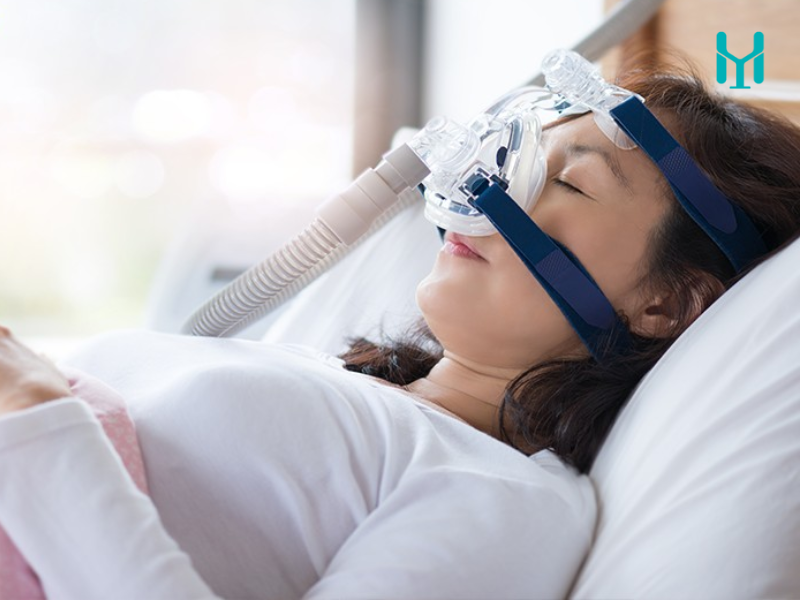
Some underlying medical conditions can also lead to sleep disorders. People with gastritis, spinal pain, asthma, or heart disease often struggle to sleep well due to pain or breathing difficulties at night. In addition, side effects from medications may cause insomnia or shallow sleep.
Environmental factors such as noise, bright light, or a cramped sleeping space also directly affect daily sleep quality. Moreover, aging causes hormonal changes and reduces sleep needs, making sleep disturbances more likely to occur.
>>> Learn more: https://phongkhamtamthanhoangyen.com/roi-loan-lo-au/
Sleep Disorders in Young People: Why Are They Increasing?
Sleep disorders are no longer just an issue for older adults. Nowadays, many young people—especially students and office workers—frequently experience insomnia, difficulty falling asleep, or poor-quality sleep.
This not only directly affects health but also impacts academic performance, work efficiency, and mental well-being. Sleep disturbances among the youth are no longer merely an individual problem; they are increasingly becoming a shared concern for an entire generation.
The Growing Prevalence of Sleep Disorders in Young People
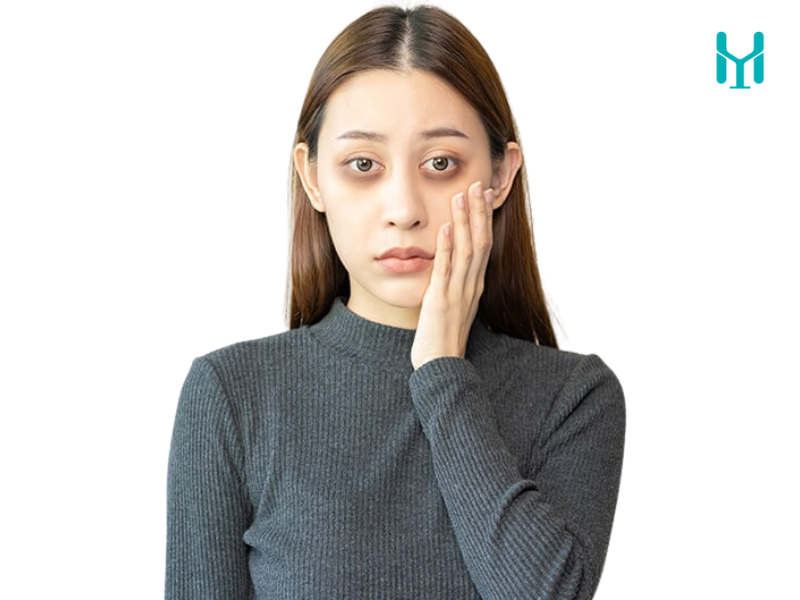
In recent years, sleep disorders have become increasingly common among young people. Many report difficulty falling asleep, lying awake for hours before finally dozing off, or waking up frequently during the night and struggling to return to sleep.
Some individuals even sleep for sufficient hours but still wake up feeling fatigued and low on energy, as though they haven’t rested at all. Shallow sleep, vivid dreams, and recurring nightmares further degrade sleep quality.
A noticeable trend is that many young people treat staying up late as a normal habit. Some compensate by sleeping during the day instead of maintaining a consistent sleep schedule. This disruption of the body’s internal clock gradually deteriorates sleep quality, leading to insomnia or fragmented sleep.
Moreover, sleep disorders directly affect both physical and mental health. Prolonged poor-quality sleep often leaves young people feeling exhausted, unfocused, and irritable in daily life.
Factors Leading to Sleep Disorders in Young People

One of the most significant causes is psychological pressure. Today’s young people face a wide range of stressors: academic demands, work, financial concerns, romantic relationships, and family expectations. All of these pressures accumulate, keeping the mind tense and making it difficult to relax enough for a full night’s sleep.
Additionally, unhealthy lifestyle habits play a major role. Excessive use of electronic devices before bedtime, irregular eating patterns, and high consumption of caffeine or other stimulants make it harder for the body to enter a restful state. Many young people also turn nighttime into “creative” or recreational hours, completely disrupting their natural sleep-wake cycle.
It’s also worth noting that various health issues, such as headaches, digestive disorders, or even mental health conditions, can interfere with sleep. Among young people, these factors are often overlooked, yet they quietly exacerbate sleep disturbances.
Hoang Yen Psychiatric Clinic – A Trusted Destination for Sleep Disorder Treatment

Many people experiencing sleep disorders often try to self-manage at home, from taking sedatives to using traditional remedies. However, without proper diagnosis and timely treatment, the condition can become chronic, seriously affecting both physical and mental health. This is why seeking care at a reputable specialized clinic is so important.
Hoang Yen Psychiatric Clinic is trusted by many patients for its team of experienced, dedicated doctors with deep expertise in sleep-related disorders. Each patient receives thorough assessments and a personalized treatment plan that combines medical intervention with psychological counseling.
The clinic’s environment is designed to be friendly, quiet, and private, helping patients feel comfortable sharing their condition. Additionally, the treatment process is highly personalized, tailored to the individual characteristics and needs of each patient.
If you or a loved one are struggling with prolonged sleep disturbances, don’t hesitate. Early consultation at Hoang Yen Psychiatric Clinic can help you regain restful sleep and a balanced quality of life.
Contact Information:
- Address: 12, Lane 44, Đỗ Quang Street, Yên Hòa Ward, Hanoi.
- Hotline: 0974 509 322
- Website: https://phongkhamtamthanhoangyen.com/


