


In the fast-paced rhythm of modern life — with pressures from work, study, and social relationships — more and more people are experiencing emotional disorders without even realizing it. Sudden mood swings, feelings of fatigue, anxiety, or emotional instability may indicate a more serious mental health issue.
Understanding the symptoms, causes, and impacts of emotional disorders is the first step toward taking care of our mental well-being, maintaining balance, and leading a happier life.
What Are Emotional Disorders?

Emotional disorders are a type of mental illness that directly affect a person’s emotional state, thoughts, and behavior. Individuals with emotional disorders often experience intense emotional fluctuations — sometimes feeling excessively elated, and at other times falling into deep sadness or despair without any clear reason.
Emotional disorders encompass various forms, the most common of which include bipolar disorder, mania, and depressive disorder. Although the symptoms may vary from person to person, they share one fundamental feature: an imbalance in emotional regulation that makes it difficult to maintain psychological stability.
This condition can occur at any age, from adolescence to adulthood, and it often has a direct impact on work, study, and social relationships. If not detected and treated early, emotional disorders may worsen over time, leading to chronic depression or self-harming behaviors.
Symptoms of Emotional Disorders
Emotional disorders are not merely about having mood swings; they involve disruptions in how individuals perceive, respond to, and regulate their emotions. Many people suffering from this condition are unaware of their problem, as the early signs often appear subtly and are easily masked by everyday stressors.
Emotional Symptoms

Individuals with emotional disorders often experience intense and uncontrollable emotional fluctuations. They may feel prolonged sadness or disappointment without any identifiable cause, or become anxious, confused, and easily stressed even in response to minor life changes. At times, they may exhibit periods of abnormal excitement or euphoria, with heightened energy, rapid thoughts, and impulsive behaviors.
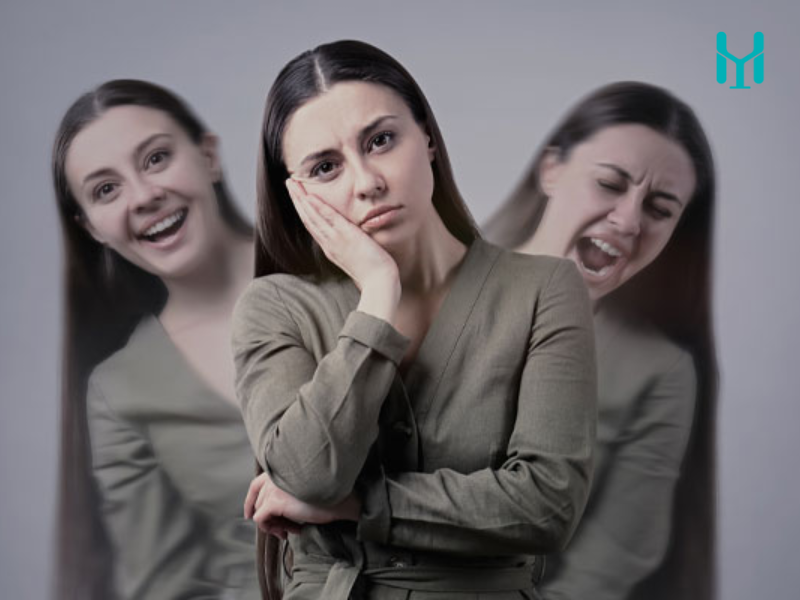
Mood shifts from happiness or elation to sadness and despair — or vice versa — can occur within a very short period, making it difficult for individuals to control their emotions and for others to understand their behavior.
In addition, they may lose or feel a diminished interest in activities they once enjoyed, struggle to concentrate, and experience disorganized thinking or recurring negative thoughts. In severe cases, suicidal ideation or self-harming behaviors may emerge, especially during emotional crises.
Behavioral Symptoms

Emotional disorders are not limited to psychological changes but are also clearly reflected in behavior. Patients may show sudden shifts in how they act — sometimes withdrawing and avoiding communication, while at other times becoming irritable or easily provoked into conflict. They often struggle to control their eating behaviors (either overeating or loss of appetite), experience sleep disturbances (difficulty falling asleep, insomnia, or excessive sleeping), and show a marked decline in work or study performance.
In more severe cases, individuals may engage in self-harming behaviors as a way to release emotional distress. They can easily fall into a repetitive cycle of exhaustion – regret – negativity, which may worsen the condition if not properly recognized and treated.
Notably, people with emotional disorders often fail to recognize changes in themselves or deliberately hide their symptoms to avoid judgment. This makes early identification even more challenging, especially in today’s high-pressure academic and work environments.
>> See more: https://phongkhamtamthanhoangyen.com/roi-loan-tram-cam/
Causes of Emotional Disorders
Emotional disorders do not occur by chance. They result from a combination of various factors — ranging from biological foundations to environmental influences and prolonged psychological stress. Understanding these causes not only helps individuals recognize the condition early but also plays an essential role in effective treatment and relapse prevention.
Biological and Genetic Factors
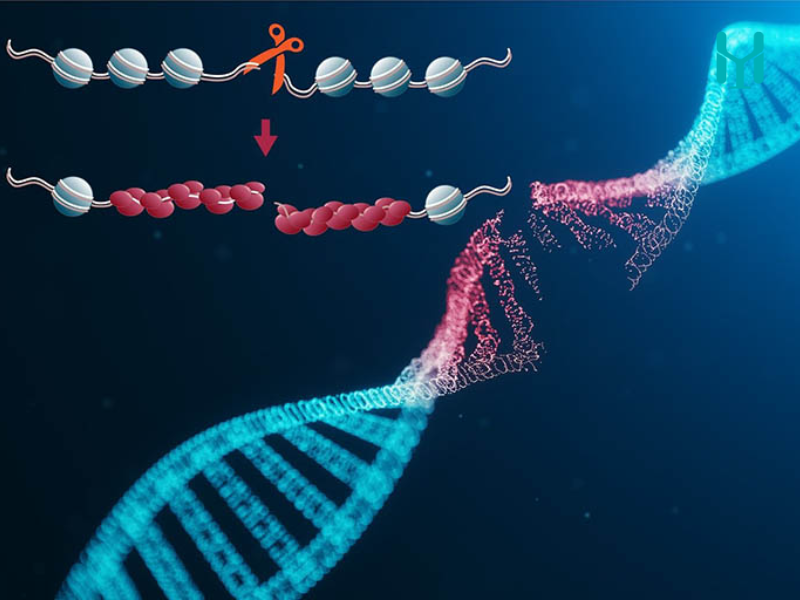
According to experts, the structure of the brain and the activity of neurotransmitters play a crucial role in the development of emotional disorders. Changes in the levels of serotonin, dopamine, or norepinephrine can disrupt emotional balance, leading to states of sadness, anxiety, or excessive elation.
In addition, genetic factors cannot be overlooked. If there is a family history of mental disorders such as depression, bipolar disorder, or chronic anxiety, the risk of developing emotional disorders in subsequent generations is significantly higher than average. However, heredity only creates a predisposition — it does not determine with certainty whether a person will develop an emotional disorder.
Furthermore, physiological changes in the body, such as hormonal imbalances — particularly in women after childbirth, during perimenopause, or puberty — can also trigger temporary emotional disturbances.
Psychological and Environmental Factors

Living environments and personal experiences profoundly influence an individual’s mental state. Those who have experienced psychological trauma—such as domestic violence, the loss of a loved one, unemployment, or prolonged academic pressure—are at higher risk of developing emotional disorders. When these emotional wounds are not properly addressed, long-term suppression of negative feelings gradually erodes one’s ability to regulate emotions.
Moreover, a stressful living environment, where individuals constantly face work-related pressure, complicated relationships, or a lack of emotional support, can serve as fertile ground for emotional instability. Unhealthy lifestyle habits such as sleep deprivation, the use of stimulants, alcohol abuse, or excessive screen time further aggravate the condition.
The Impact of Emotional Disorders on Daily Life
Emotional disorders not only make it difficult for individuals to control their moods but also permeate every aspect of life. They alter the way people perceive themselves, interact with others, and maintain daily functioning.
-
Mental and Physical Health: Continuous stress weakens the immune system, making individuals more susceptible to chronic illnesses such as headaches, cardiovascular diseases, and digestive disorders.
-
Work and Academic Performance: Patients often experience absenteeism, reduced productivity, difficulty cooperating with others, and frequent conflicts with colleagues or teachers.
-
Family and Social Relationships: Constant conflicts, misunderstandings, and emotional distance may occur. Family members often feel exhausted from having to “absorb” or manage the patient’s emotional distress.
-
Quality of Personal Life: Loss of joy, avoidance of recreational activities, and a pervasive sense of hopelessness.
-
Personal Safety Risks: Increased likelihood of self-harm and a higher risk of suicidal behavior compared to the general population.
-
Financial Burden: Treatment expenses, loss of income, and the resulting strain on family finances.
Hoang Yen Psychiatric Clinic – A Trusted and Reputable Address for the Examination and Treatment of Emotional Disorders in Hanoi

As mental health issues gain increasing public attention, finding a trusted and reputable facility for the examination and treatment of emotional disorders has become more important than ever. In Hanoi, Hoang Yen Psychiatric Clinic has earned the trust of many patients and their families.
Hoang Yen Clinic brings together a team of psychiatrists and clinical psychologists with many years of experience in treating emotional disorders, anxiety disorders, depression, and chronic stress. Each case is carefully evaluated through modern psychological assessments, allowing the development of a personalized treatment plan tailored to each patient’s condition.
We understand that an emotional disorder is not merely a medical issue, but also a journey toward restoring balance and inner peace. Therefore, every patient is approached with empathy, understanding, and utmost respect.
If you or your loved ones are showing signs of an emotional disorder, do not hesitate to seek professional help. Early consultation not only helps identify the underlying causes but also opens the door to a faster recovery.
Hoang Yen Psychiatric Clinic is always ready to accompany you on the journey toward mental tranquility and a more balanced life.
Contact Information:
Address: 12, Alley 44, Do Quang Street, Yen Hoa Ward, Hanoi.
Hotline: 0974 509 322
Website: https://phongkhamtamthanhoangyen.com/


