


Dissociative disorders in children are among the more complex mental health issues, often overlooked or mistaken for common behavioral or medical symptoms. If not detected and treated early, this condition can seriously affect a child’s emotional development and personality formation. In this article, we’ll explore the causes, symptoms, and ways to care for children with dissociative disorders.
Causes of Dissociative Disorders in Children
Dissociative disorders often stem from psychological trauma or strong environmental influences that deeply impact a child’s emotions and perception. Every child has a different psychological tolerance level, so their reactions to distressing events can vary widely.
Children Experiencing Severe Psychological Trauma
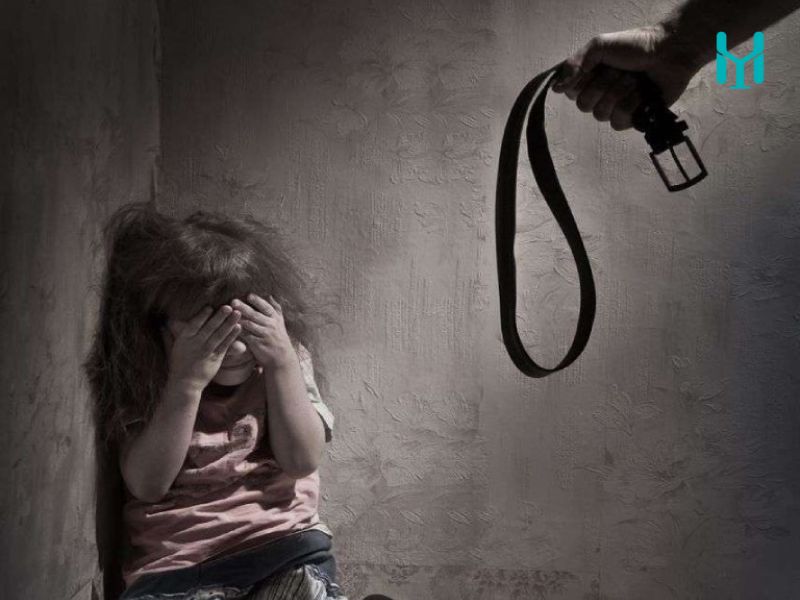
According to experts, psychological trauma is the leading cause of dissociative disorders in children. Painful experiences such as abuse, witnessing domestic violence, accidents, or the loss of a loved one can cause children to develop a “dissociation” mechanism — separating their emotions from reality as a way to protect themselves from emotional pain.
Children may show symptoms such as temporary memory loss, sudden behavioral changes, withdrawal, or loss of interest in daily activities. Early intervention from mental health specialists is crucial to help children learn how to face and manage their emotions instead of avoiding them.
Lack of Care and Attention from Parents or Family Members

A prolonged lack of emotional connection can make children feel lonely and insecure. Experts note that when children do not receive love, understanding, or consistent attention — or are frequently neglected — they are more likely to develop emotional and psychological disorders, including dissociative disorders.
When parents are too busy or communicate infrequently, children may begin to isolate themselves or create an imaginary world to fill the emotional void. Over time, this can cause them to detach from reality, struggle with social interaction, and face difficulties in developing a healthy personality.
Prolonged Psychological Pressure
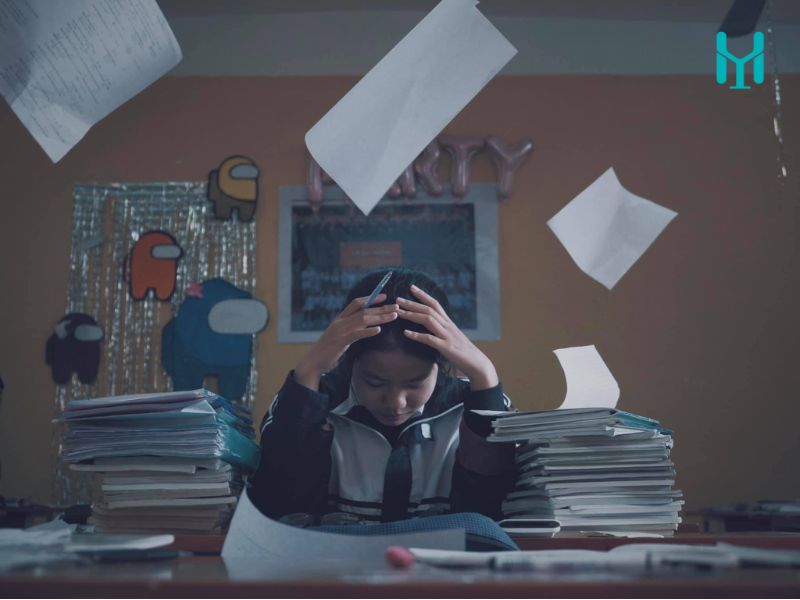
Academic stress, family expectations, or conflicts in friendships can all contribute to the development of dissociative disorders. Children—especially those aged 8 to 14—have not yet fully developed emotional regulation skills. When exposed to excessive stress, they may cope by detaching themselves from negative emotions, forming a dissociative response as a way of “self-protection.”
Experts advise parents to reduce pressure, encourage rather than compare, and help children recognize their own worth instead of feeling controlled or inadequate.
Influence of Environment and Society

An unstable living environment, school bullying, or exposure to negative content on social media can have a significant impact on a child’s mental well-being. In today’s modern society, children are more vulnerable than ever to external stressors.
An environment that lacks safety or proper guidance can leave children uncertain about how to manage their emotions, leading them to develop dissociative mechanisms as an unconscious response to protect themselves from deeper emotional pain.
>>> See more: https://phongkhamtamthanhoangyen.com/tre-tu-ky-cham-noi/
Signs of Dissociative Disorders in Children
Early detection of dissociative disorders in children is a key factor for effective treatment. However, the symptoms are often subtle and easily mistaken for other conditions such as anxiety or depression.


