


Dissociative disorders are among the most complex and least understood mental health conditions today. They not only seriously affect a person’s psychology and behavior but also cause a gradual disconnection from oneself and the surrounding world. In this article, we’ll explore dissociative disorders in depth, including their definition, causes, symptoms, and the most effective treatment approaches available today.
What Are Dissociative Disorders?
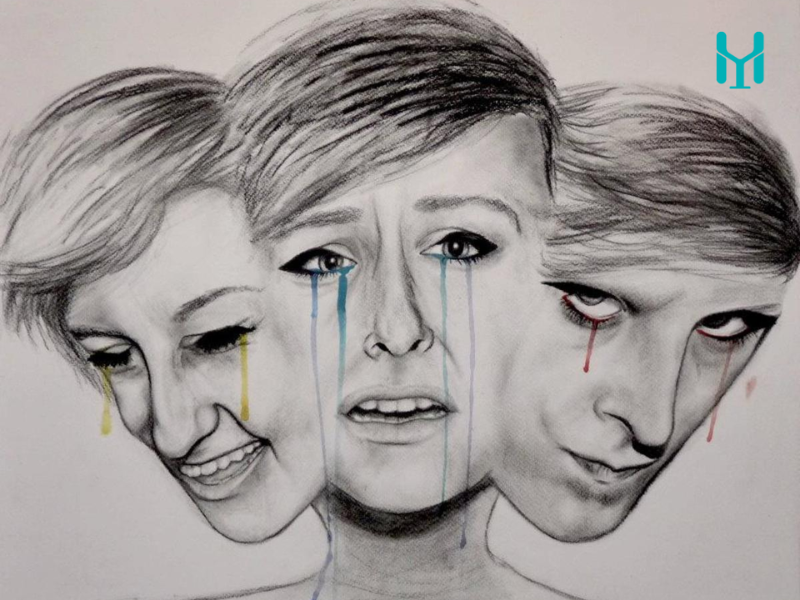
Dissociative disorder is a mental condition in which a person becomes detached from reality, memory, emotions, or self-awareness. Simply put, it is a state where the individual “escapes” from the present as a self-protective mechanism of the brain in response to excessive stress or psychological trauma, such as abuse, serious accidents, or major loss.
Common Characteristics of Dissociative Disorders
The common features of dissociative disorders can be understood as distinct manifestations that occur when a person partially or completely detaches from normal mental functioning. Key characteristics include:
Detachment (dissociation) from consciousness, memory, emotions, or sense of self
Individuals may temporarily lose connection with reality — feeling as if they are “outside their own body” or watching their life unfold from a distance.
Often triggered by psychological trauma or intense stress
Events such as abuse, accidents, the loss of a loved one, or prolonged stress often serve as triggers. Dissociation acts as the brain’s “self-protective” response to disconnect from painful emotions.
Mental dysfunction without physical injury
Individuals may experience memory loss, numbness, paralysis, or personality changes, yet no clear physical cause is found through medical examination.
Symptoms can fluctuate and change rapidly
Dissociation may appear temporarily, resolve on its own, recur, or manifest in different forms (e.g., memory loss at one time, numbness at another, or temporary motor impairment).
Not caused by neurological disease or substance use
Diagnosis is made only after excluding other causes, such as epilepsy, brain injury, or drug effects.
May be accompanied by anxiety, depression, or sleep disorders
These emotional disturbances often appear simultaneously and can worsen the dissociative condition.
Causes of Dissociative Disorders
Experts state that dissociative disorders are not caused by a single factor, but result from a combination of psychological, biological, and environmental factors.
Psychological Factors

Most patients with dissociative disorders have experienced severe trauma, such as:
- Physical or sexual abuse during childhood
- Witnessing death or serious accidents
- War, natural disasters, or major loss
Experts explain that during trauma, the brain temporarily suppresses the hippocampus and amygdala, regions responsible for processing memory and emotions. As a result, the individual disconnects from painful memories but may also lose part of their awareness of reality.
Biological and Genetic Factors
Some individuals have brain structures that are more sensitive to stress than normal, making them prone to dissociation. Additionally, genetic factors and an unstable family environment can increase the risk of developing this disorder.
Environmental Factors
A stressful living environment, work pressure, social isolation, or prolonged substance use can exacerbate dissociative symptoms. These factors contribute to the increasing prevalence of dissociative disorders among young people.
Signs and Symptoms of Dissociative Disorders

Dissociative disorders can manifest in many different ways, depending on the type and severity of psychological trauma. Here is a summary of the most common symptoms to help with recognition:
Dissociative Amnesia
The individual suddenly forgets personal information, events, or specific periods of their life without any brain pathology. They may remember everything else clearly but completely “erase” the memories related to trauma.
Dissociative Identity (Multiple Personality)
This is the most severe form, where a person has multiple independent identities, each with its own memories, voice, behaviors, and even handwriting. When one identity is present, the person has no recollection of what the other identities have done.
Depersonalization / Derealization
The individual feels as if they are watching their own life from outside their body, or that the world around them is strange and unreal. They may say, “I know I am living, but it feels like I’m dreaming.”
Associated Symptoms

In addition to the main symptoms, individuals with dissociative disorders often experience:
- Anxiety, depression, panic
- Sleep disturbances and frequent nightmares
- Mood swings, sometimes with loss of behavioral control
- Headaches, dizziness, or cognitive difficulties
If left untreated, these symptoms can lead to personality disorders, social withdrawal, or self-harming behaviors.
>>> See more: https://phongkhamtamthanhoangyen.com/roi-loan-giac-ngu/
Treatment Approaches for Dissociative Disorders
Dissociative disorders can be effectively treated if intervention occurs early and uses the right methods. The goal of treatment is to restore a unified sense of self and help the individual safely confront traumatic memories rather than avoid them.
Treatment Goals
According to psychologists, treatment for dissociative disorders focuses on:
- Helping the patient understand and accept past trauma
- Restoring control over behavior and emotions
- Reducing dissociative symptoms and improving quality of life
Psychotherapy

Psychotherapy is the primary treatment method. Approaches such as Cognitive Behavioral Therapy (CBT), safe memory regression therapy, or integrative personality therapy are used to help patients:
- Identify and accept dissociated memories
- Reduce feelings of guilt and fear
- Learn to manage emotions and behavior
Experts recommend long-term treatment and building trust between the therapist and patient for sustainable recovery.
Supportive Medication
There is no specific medication for dissociative disorders, but antidepressants or anti-anxiety drugs may be used to reduce stress, improve sleep, and prevent harmful behaviors. Medication must always be administered under the guidance of a mental health specialist.
Other Supportive Therapies

In addition to psychotherapy and medication, patients can participate in group therapy to share experiences and learn from others in similar situations.
Practices such as meditation, yoga, or therapeutic journaling are also considered useful tools to help patients relax, recognize their emotions, and improve self-control.
Treatment should be monitored regularly and combined with support from family and loved ones to reduce the risk of relapse.
Hoang Yen Psychiatric Clinic – A Trusted and Reliable Place for Patients with Dissociative Disorders

When signs of dissociative disorders appear, choosing a reputable medical facility for examination and treatment is crucial. In Vietnam, Hoang Yen Psychiatric Clinic is one of the most trusted centers, chosen by many patients.
The clinic brings together doctors with many years of experience in treating dissociative disorders, depression, anxiety, and personality disorders. Each case is carefully assessed, and a personalized treatment plan is developed based on the individual’s psychological condition.

Hoang Yen Clinic employs a model that combines Psychotherapy – Medication – Rehabilitation, integrating advanced psychological therapy with modern medical treatment to help patients gradually restore their awareness and emotional stability.
The therapy space is designed to be private and quiet, creating a safe environment for patients to share openly. All medical information is kept strictly confidential, ensuring respect and understanding for every patient.
The clinic also maintains a free psychological consultation hotline, offering support for both patients and their families throughout the treatment process.
Contact Information:
Address: 12, Alley 44, Do Quang Street, Yen Hoa Ward, Hanoi.
Hotline: 0974 509 322
Website: https://phongkhamtamthanhoangyen.com/


