


As people age, physiological and brain changes can make older adults more susceptible to mental instability. One disorder that needs early recognition is paranoia in the elderly—a condition that not only seriously affects the patient’s quality of life but also presents numerous challenges for caregivers.
This article will help you understand the symptoms, causes, and appropriate ways to respond when caring for older adults with paranoia.
Causes of Paranoia in Older Adults

The emergence of paranoia in the elderly does not simply stem from aging alone. It is the result of intertwined influences from physical, psychological, social, and brain-related factors. According to experts, several main causes are often directly linked to the onset of this condition:
- Decline in brain function over time affects information processing abilities. Natural aging reduces the efficiency of cortical areas responsible for memory, logical analysis, and emotions, leading to distortions in perception and judgment.
- Neurological and psychiatric diseases such as Alzheimer’s, Parkinson’s, or various forms of dementia can create conditions for hallucinations and distorted thinking. Patients may struggle to distinguish between reality and past experiences, resulting in unfounded suspicions or feelings of being threatened.
- Psychological traumas such as losing a loved one, prolonged loneliness, or lack of social interaction can make older adults prone to feelings of abandonment or being monitored. When negative emotions persist without relief, they can evolve into persistent paranoid symptoms.
Common Symptoms of Paranoia in the Elderly
Paranoid behavior in older adults is not always easy to recognize at first. It may start as subtle changes in behavior or thinking before developing into clear paranoid states. The following are the most commonly observed symptoms:
Distorted, illogical thinking

This is the first characteristic sign indicating that the individual is beginning to lose touch with reality. They may be completely convinced of things that are entirely untrue, such as believing someone is plotting to poison them or that their family is trying to seize their property.
The danger lies in the fact that these distorted beliefs are not easily disproven, even when presented with concrete evidence. The person often interprets situations in their own way—highly logical to them but unreasonable to others.
Heightened Suspicion and Vigilance

Paranoia in the elderly often causes individuals to display unusual vigilance. They may become wary, distrust family members, or even withdraw, feeling as though they are being watched or harmed.
This can easily lead to internal tension within the family. Many caregivers feel offended or hurt when they are suspected by their loved ones without reason. However, this is a symptom of the disorder, not a deliberate emotion.
Sudden Emotional Changes
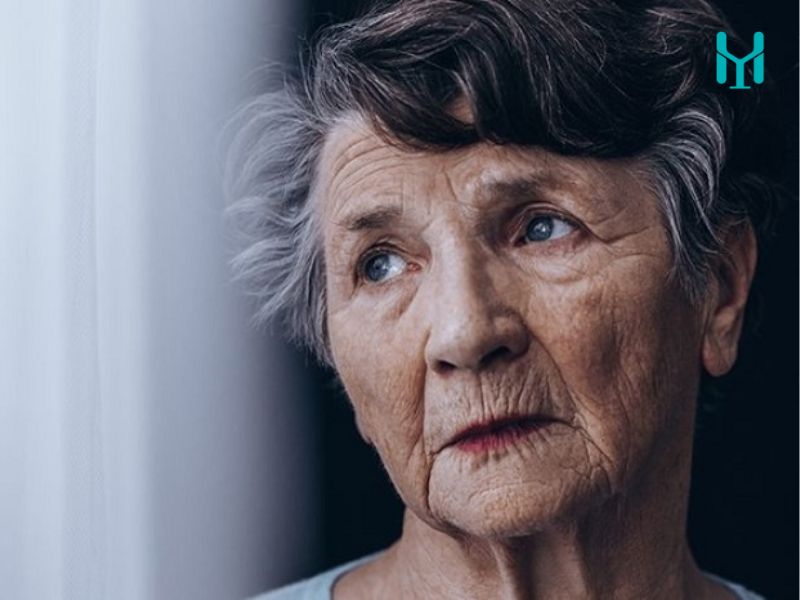
The mood of elderly individuals with paranoia can change very quickly without any clear reason. They may be happily going about their day, then suddenly become irritable or start crying because they feel betrayed or isolated.
This emotional instability not only harms the individual but also confuses and perplexes those around them. Their unpredictable temperament gradually becomes a noticeable sign as paranoia in the elderly worsens.
Unusual Behavioral Symptoms

Elderly individuals with paranoia may engage in unusual behaviors. For example, they might hide objects meticulously because they believe someone is stealing them, refuse to let anyone enter their room for fear of traps, or even refuse to eat due to concerns about being poisoned.
They may pace constantly, talk to themselves, or write secret notes about others. These behaviors occur consistently and are not merely impulsive acts.
Symptoms Accompanying Aging
When paranoia in the elderly combines with the aging process, patients may also experience short-term memory loss, forgetfulness, and reduced behavioral control. This decline further exacerbates their paranoid thoughts.
Additionally, hearing and vision problems can lead to misinterpretation of surrounding situations, reinforcing false beliefs. This is why paranoia often appears alongside signs of cognitive decline or dementia.
>>> See more: https://phongkhamtamthanhoangyen.com/dieu-tri-roi-loan-giac-ngu/
Caregiver Considerations for Elderly Individuals with Paranoia
Caring for elderly patients with paranoia requires patience, understanding, and long-term support. A lack of proper handling skills can worsen the condition and increase family stress.
Stay Calm and Avoid Arguing with the Patient

One of the primary principles is to avoid confronting paranoia in the elderly. Directly contradicting them only makes them more defensive and can sometimes trigger negative behaviors such as yelling or refusing interaction.
Instead, caregivers should remain calm, listen attentively, and gently redirect the conversation to a more positive topic. Respecting the patient’s emotions is key to building lasting trust.
Create a Sense of Safety and a Stable Environment
Individuals with paranoia need a quiet, familiar living environment with minimal sudden changes. Try to keep household items in the same place, limit visits from strangers, and ensure living spaces are well-lit and ventilated.
Consistency in daily routines helps the patient feel more secure and reduces the likelihood of negative thoughts emerging.
Speak Gently and Avoid Direct Denial

When the patient shares things that aren’t true, avoid interrupting or directly denying them. Contradicting them can make them feel disrespected and reinforce their belief that they are being betrayed.
Instead, use neutral phrases such as: “Are you feeling worried about that?” or “I understand how you feel; let’s see if we can find a way to help you feel more at ease.”
Always Acknowledge Their Emotions
Even if what the patient says isn’t factually correct, their emotions are real. When they feel sad, scared, or anxious, acknowledge and respond with empathy. Simple phrases like “It makes sense that you feel that way” can help soothe their mood significantly.
We believe that genuine care from the heart is a powerful remedy in managing paranoia in the elderly.
Support Proper Medication Use and Monitor Side Effects

If the patient is undergoing a treatment plan, taking medication exactly as prescribed by the doctor is extremely important. Caregivers should note the medication schedule and observe for side effects such as excessive drowsiness, hand tremors, or confusion.
If any unusual signs appear, contact the treating doctor promptly for adjustments. Never stop or change the dosage on your own.
Maintain Regular Contact with the Treating Doctor
Paranoia in the elderly often progresses in complex ways, varying from person to person. Therefore, families should maintain regular communication with doctors and specialists to adjust care methods appropriately.
Sometimes, behaviors that seem minor may actually indicate that the condition is entering a new stage. Having a professional involved provides clear guidance and peace of mind for the family.
When Professional or Medical Intervention Is Needed

Not every instance of suspicion or mood changes in the elderly indicates pathological paranoia. However, when symptoms persist for more than two weeks, recur frequently, affect daily activities, and cause conflicts with family members, it is time to consult a specialist.
Additionally, if the patient exhibits behaviors that endanger themselves or others—such as refusing to eat, breaking objects, experiencing prolonged sleep disturbances, or talking incoherently all night—immediate medical intervention is necessary.
Evaluation by a psychiatrist helps determine the severity of paranoia in the elderly, rule out other conditions like dementia, and develop the most effective treatment plan.
Hoàng Yến Psychiatric Specialty Clinic – A Trusted Address for Families and Elderly Individuals with Paranoia

If you’re feeling concerned and unsure where to start, Hoàng Yến Psychiatric Specialty Clinic is a reliable partner to guide you. With an experienced, compassionate, and dedicated team of doctors, the clinic has successfully treated hundreds of elderly patients with paranoia and related disorders.
Hoàng Yến Clinic not only focuses on medical treatment but also offers personalized psychological counseling, supports families in creating an ideal care environment, and helps proactively prevent relapse. Importantly, all personal information is kept strictly confidential, allowing patients to feel secure while accessing care.
You can schedule an appointment by phone or visit the clinic directly for a free consultation. Hoàng Yến always keeps its doors open, welcoming and supporting every family on their journey of caring for the mental health of older adults.
Paranoia in the elderly is a condition that deserves attention and early recognition for effective intervention. Understanding its causes and symptoms, along with implementing an appropriate care strategy, not only helps stabilize the patient’s mental state but also reduces pressure on the family.
We believe that with proper support, older adults can maintain a peaceful, stable, and meaningful life despite the changes that come with aging. And if you need a place to start, remember that Hoàng Yến Clinic is always ready to walk alongside you.
Contact Information:
Address: 12, Alley 44, Do Quang Street, Yen Hoa Ward, Hanoi.
Hotline: 0974 509 322
Website: https://phongkhamtamthanhoangyen.com/


