


Paranoid disorder is a complex mental illness that profoundly affects the way a person perceives the world around them. In modern society, this condition is on the rise and has become a significant concern for the mental health community. From a professional perspective, we aim to help you better understand the causes of paranoid disorder, its classification, and treatment, providing the right approach to protect the mental health of yourself and your loved ones.
What is paranoid disorder?

Paranoid disorder is a mental illness in which the individual holds absolute belief in things that are not real, even when there is clear evidence disproving them. These thoughts are often very rigid and difficult to change, even when others try to explain or persuade them otherwise.
Experts note that paranoid disorder is not merely a personality trait but a deeper cognitive disturbance in the brain. It directly affects how the person thinks, feels, and reacts to the world around them, making daily life stressful and difficult to manage.
Fortunately, paranoid disorder can be treated if detected early and addressed properly. With support from psychiatrists and loved ones, patients can gradually regain realistic perception, stabilize their mental state, and improve their quality of life.
Classification of Paranoid Disorder

Paranoid disorder can be divided into several types depending on the content of the delusional ideas. This classification helps doctors accurately identify the nature of the problem and propose an appropriate treatment approach.
First, it’s important to understand that each patient may exhibit one or more types of delusions simultaneously, and the impact of each type can vary. The common types are as follows:
Persecutory Type
Patients believe they are being monitored, threatened, or harmed by an individual or organization. This is the most common form of paranoid disorder.
Jealous Type
Patients are obsessed with the perceived infidelity of their partner, even without evidence. This often leads to relationship conflicts and controlling behaviors.
Grandiose Type
Characterized by the belief that one has exceptional talents, powers, or a special mission, sometimes linked to religious or social factors.
Control Type (or Passivity Phenomena)
Patients believe their thoughts, actions, or feelings are being controlled by external forces such as technology, secret organizations, or “supernatural powers.”
Referential Type (or Delusion of Reference)
Patients believe that events, words, or behaviors of others have special significance for them, even though there is no real connection.
This classification helps doctors understand the nature of false beliefs, allowing them to tailor treatment plans, including medication and behavioral therapy, for each case.
Causes of Paranoid Disorder
After understanding the types of delusions, it is important to grasp the causes of paranoid disorder. This is a multifactorial condition, meaning it does not originate from a single cause but arises from a combination of genetic, biological, psychological, and environmental factors.
Genetic and Biological Factors
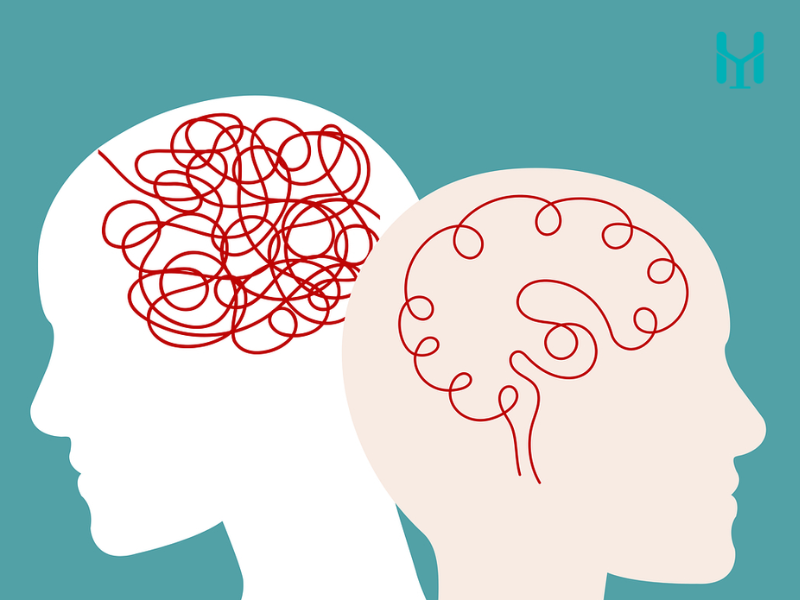
Psychiatric experts believe that genetics plays a significant role in the development of delusional disorder. If there is a family history of mental disorders such as schizophrenia or mood disorders, the risk of delusional disorder in the next generation is higher.
In addition, neurotransmission disorders, particularly the imbalance of dopamine and serotonin, are also considered major biological causes. These two chemicals play a role in regulating emotions and cognition; when their activity is imbalanced, they cause the patient to lose the ability to assess reality, leading to the formation of false beliefs.
Moreover, damage to the frontal and temporal lobes, which are areas that control logical thinking and emotions, also contributes to an increased risk of developing the disorder.
Psychological and emotional factors

Prolonged stress, past psychological trauma, or severe shocks can all trigger delusional disorder. A person who has experienced violence, isolation, or a loss of trust in others is more likely to develop extreme defense mechanisms, forming delusions as a way to protect themselves.
In addition, rigid, arrogant, or overly sensitive personality traits also provide a psychological basis that can lead to the disorder.
Environmental and social factors
Living conditions have a significant impact on mental health. People who live in isolation, are socially marginalized, or work in highly pressured and competitive environments are at higher risk.
Furthermore, the abuse of alcohol, drugs, or stimulants can cause cognitive disturbances, leading the brain to misinterpret surrounding signals.
Especially in the digital age, excessive exposure to negative information or fake news can also affect cognition, increasing the risk of forming delusional beliefs.
Individuals at higher risk for delusional disorder

Not everyone has the same risk of developing delusional disorder. From a clinical perspective, we observe that certain groups are more susceptible:
- Middle-aged and elderly individuals, as the nervous system begins to decline, reducing the ability to process information and regulate emotions.
- Those living in isolation or lacking social connections. Without anyone to share or challenge their thoughts, they are more likely to become immersed in false beliefs.
- People who have experienced trauma or severe psychological harm, such as the loss of a loved one, betrayal, or abuse.
- Individuals working in high-stress environments, such as finance, technology, or healthcare, especially if they do not have effective stress-relief strategies.
Regardless of the group, early detection and timely treatment are always crucial for restoring mental health.
>>> See more: https://phongkhamtamthanhoangyen.com/hoang-tuong-o-nguoi-gia/
Hoang Yến Psychiatric Specialty Clinic – A trusted and reliable destination for patients with delusional disorder.

Choosing a reputable specialized medical facility is a crucial factor in the examination and treatment of delusional disorder. Hoang Yến Psychiatric Specialty Clinic is recognized as one of the most trusted and experienced centers in the field of mental health in Vietnam.
Here, a team of specialized psychiatrists directly conducts examinations and applies advanced treatment methods, combining medication, psychotherapy, and cognitive-behavioral therapy (CBT).
Reasons to choose Hoang Yến:
- Strong expertise: The team of doctors and specialists is well-trained and highly experienced in treating mental disorders.
- Personalized treatment plans: Each patient receives an individualized care plan based on the severity and causes of their delusions.
- Confidentiality and dedication: All patient information is kept private, and the treatment environment is friendly and respectful.
Hoang Yến Clinic not only helps patients stabilize their symptoms but also aims for comprehensive recovery of cognition and emotions, enabling them to return to normal life with confidence and better mental health.
Contact Information:
Address: 12, Alley 44, Do Quang Street, Yen Hoa Ward, Hanoi.
Hotline: 0974 509 322
Website:https://phongkhamtamthanhoangyen.com/


