


Sleep is not just a period of rest; it is the body’s natural “recovery medicine.” However, an increasing number of people are facing sleep disorders — conditions that cause tossing and turning, insomnia, or insufficient rest.
We understand that prolonged lack of sleep can seriously impact mental health, physical well-being, and overall quality of life. In this article, we will provide information on effective treatments for sleep disorders, ranging from lifestyle changes and psychological therapies to medical interventions, all commonly recommended and applied by doctors today.
The purpose of treating sleep disorders

Sleep is the foundation that allows the body and mind to restore energy after a long day. When sleep is disrupted, a chain of negative effects silently occurs, impacting both physical and mental health. Sleep disorders not only cause fatigue and reduced concentration but also increase the risk of chronic conditions such as cardiovascular disease, diabetes, and depression.
Treating sleep disorders is not just about getting better rest; it is about restoring balance to the entire nervous system and mental health. When sleep improves, the body can recover more effectively, the mind becomes more positive, and overall quality of life is significantly enhanced.
Therefore, proactively addressing sleep disorders as early as possible is an important step to protect long-term health and prevent potentially serious complications.
Lifestyle and behavioral changes
Sometimes, treating sleep disorders does not necessarily require medication or complex psychological therapy. Small adjustments in daily habits and behaviors can make a big difference, naturally and sustainably improving sleep quality.
Establish a consistent sleep schedule
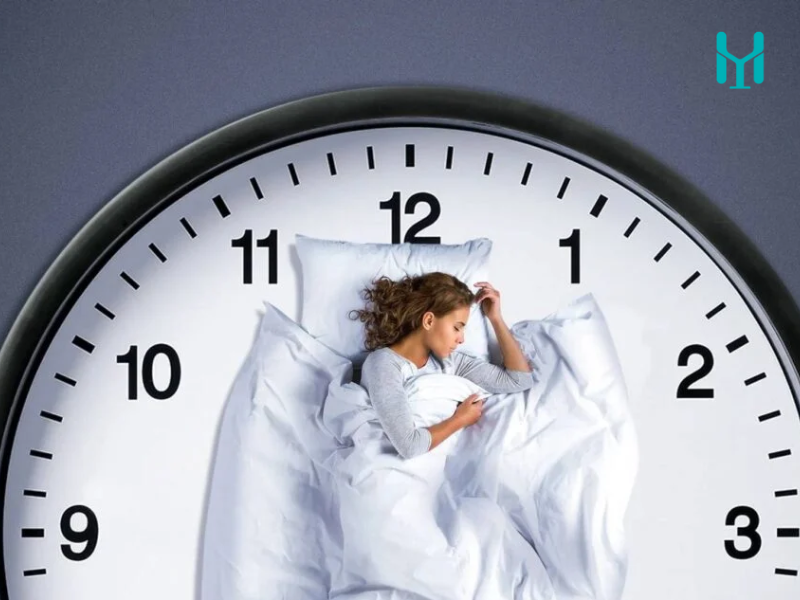
One of the most important factors is maintaining a fixed bedtime and wake-up time every day, including weekends. When the body adapts to a stable circadian rhythm, melatonin — the hormone that regulates sleep — is released at the right time, making it easier to fall asleep.
Additionally, avoiding oversleeping or excessive daytime naps helps prevent disruption of the brain’s circadian rhythm, reducing nighttime insomnia.
Create an ideal sleep environment
The bedroom environment plays a major role in treating sleep disorders. Ensure your room is quiet, well-ventilated, and has appropriate lighting. Blue light from phones, computers, or TVs can suppress melatonin production, making the brain “think it’s still daytime” and causing difficulty falling asleep. Therefore, turn off electronic devices at least 30 minutes before bedtime and use dark curtains or soft night lights to create a relaxing atmosphere.
Maintain a balanced diet and regular exercise

Caffeine, alcohol, and nicotine are sleep disruptors. Drinking strong coffee or tea in the afternoon can keep the body overly alert when it’s time to rest. In contrast, light exercise such as yoga or walking in the afternoon helps the body relax, regulates heart rate, and supports deeper sleep. Be careful not to eat too heavily before bed, as an active digestive system can interrupt sleep.
Practice relaxation techniques before bedtime
Before going to bed, try gentle relaxation techniques such as meditation, deep breathing, listening to soft music, or reading a physical book. These activities help reduce stress, calm the nervous system, and prepare the body for sleep. Many sleep experts suggest that maintaining a 15–20 minute relaxation routine before bed daily can significantly improve sleep quality for those with sleep disorders within a few weeks.
Treating sleep disorders with psychological therapy

Cognitive Behavioral Therapy for Insomnia (CBT-I) is currently considered the gold standard for treating sleep disorders without medication. This method helps patients identify and change negative thoughts and poor habits related to sleep while learning to establish a healthy connection between the bed and relaxing behaviors.
Psychologists guide patients step by step, including:
- Establishing a fixed sleep schedule, avoiding oversleeping or staying up too late.
- Learning stimulus control techniques: only go to bed when sleepy, and leave the bed if unable to sleep after 20 minutes.
- Adjusting false beliefs such as “insomnia is permanent” or “medication is the only solution.”
Alongside CBT-I, relaxation therapy helps the body and mind release tension and restore natural circadian rhythms. Common methods include mindfulness meditation, deep breathing, yoga, listening to low-frequency sounds, or positive visualization. These techniques stimulate the parasympathetic nervous system — the mechanism that helps the body “switch off” stress and prepares the mind for sleep.
>> Learn more: https://phongkhamtamthanhoangyen.com/roi-loan-lo-au/
Medications for Treating Sleep Disorders: When Medical Support Is Needed
In many cases, lifestyle changes or psychological therapy alone may not be enough to help patients regain restful sleep. At this point, medications for sleep disorders can be an effective supportive solution. However, their use must be prescribed and closely monitored by a specialist.
Commonly used medications

Doctors base their choice of medication on the cause, severity, and duration of symptoms. The most common are drugs that help regulate the sleep-wake cycle. Some frequently prescribed types include:
- Short-term sleep medications: Help patients fall asleep, usually used during acute insomnia. These should not be used long-term to avoid dependency.
- Antidepressants or anti-anxiety medications: Often prescribed when insomnia is related to stress, depression, or mood disorders. These drugs can improve mood, which in turn supports more natural sleep.
- Melatonin and circadian rhythm regulators: Suitable for those with sleep disturbances due to jet lag, night shifts, or circadian rhythm disorders.
- Antihistamines: Sometimes used for mild cases to promote relaxation and sleep, but may cause next-day drowsiness or fatigue.
Precautions when using medications

Treating Sleep Disorders with Medications Should Not Be Done Independently
Each medication has its own mechanism and potential side effects, ranging from prolonged drowsiness and temporary memory impairment to mood disturbances if used incorrectly.
Patients must strictly follow the doctor’s instructions, avoid self-adjusting doses, abruptly stopping medication, or combining multiple drugs. Additionally, medications should be taken before bedtime as prescribed, and alcohol or stimulants should be avoided.
For optimal results, medications should be combined with relaxation techniques, proper sleep schedules, and a balanced diet. This approach helps the body gradually restore its natural circadian rhythm without complete dependence on medication.
Effective Sleep Disorder Treatment at Hoang Yen Psychiatric Clinic

Hoang Yen Psychiatric Clinic brings together a team of experienced psychiatrists specializing in neurological and mental health disorders. Every patient receives a thorough examination and a comprehensive assessment of physical health, psychological state, and lifestyle to develop the most suitable treatment plan for sleep disorders.
- Psychological counseling and therapy: Helps patients identify root causes.
- Combination of medication and intervention therapies: Ensures safety and long-term effectiveness.
- Regular monitoring: Adjusts the treatment plan according to actual progress.
What reassures patients at Hoang Yen is the quiet, private, and friendly environment. Each individual is listened to and supported throughout the treatment process, helping reduce stress and naturally improve sleep quality.
If you are looking for a safe, effective, and dedicated place to treat sleep disorders, Hoang Yen Psychiatric Clinic is a trusted choice. Here, sleep is no longer a “battle” each night but a gentle, peaceful journey of restoration for both mind and body.
Contact Information:
- Address: 12, Lane 44, Do Quang Street, Yen Hoa Ward, Hanoi, Vietnam.
- Hotline: 0974 509 322
- Website: https://phongkhamtamthanhoangyen.com/


