


As women enter middle age, many begin to face a silent but serious enemy: perimenopausal sleep disorders. This isn’t just about having a few sleepless nights — it’s a sign of complex hormonal changes that can significantly affect quality of life, as well as both mental and physical health.
So why do sleep disorders occur during this stage? What are the early signs to look out for, and more importantly, how can you effectively manage this condition? Let’s take a closer look to find the answers.
Why does perimenopause cause sleep disturbances?
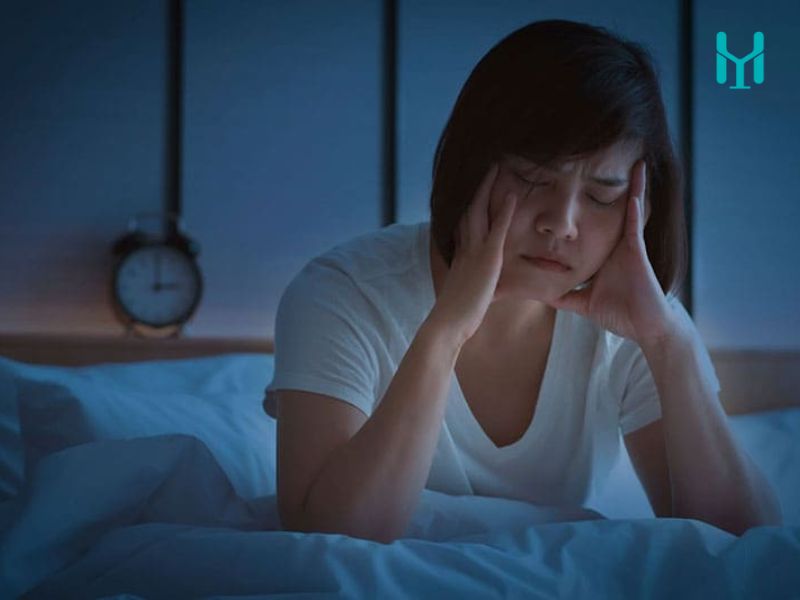
Perimenopause is a natural transitional phase that occurs before menopause, typically between the ages of 40 and 50. During this period, female hormone levels — especially estrogen and progesterone — begin to fluctuate and gradually decline, leading to a series of physical and psychological changes.
According to experts, one of the most noticeable effects is perimenopausal sleep disorder. The drop in estrogen can affect the hypothalamus — the brain’s sleep-regulating center — disrupting the body’s circadian rhythm. At the same time, progesterone, which acts as a natural sedative, also decreases, making sleep lighter, more fragmented, and easily interrupted.
In addition, nighttime hot flashes and night sweats often occur, causing women to wake suddenly and struggle to fall back asleep. These changes make perimenopausal sleep disorders not merely a physical issue but one that deeply affects emotional well-being as well.
Common symptoms of perimenopausal sleep disorders

Recognizing the early signs of perimenopausal sleep disorders helps women take a proactive approach to their health. Below are some common symptoms to pay attention to:
-
Persistent insomnia: Many women report that even though they feel tired at night, they still cannot fall asleep. Even when they do, their sleep is often light and easily disturbed, causing them to wake up several times during the night.
-
Early awakening: Waking up earlier than usual and being unable to fall back asleep leads to fatigue in the morning. It feels as if they have gone through a sleepless night, leaving the body drained and sluggish all day.
-
Hot flashes and night sweats: Sudden waves of heat and sweating during sleep often wake women up in the middle of the night. They may need to change clothes or bed sheets because they are drenched in sweat.
-
Psychological changes: Increased irritability, anxiety, mild depression, memory loss, and poor concentration are also consequences of poor-quality sleep during this period
>> Learn more: https://phongkhamtamthanhoangyen.com/roi-loan-tram-cam/
Ways to Prevent Sleep Disorders in Perimenopausal Women
Perimenopausal sleep disorders are a real issue, but not without solutions. Adjusting one’s lifestyle and combining it with timely medical support can significantly improve this condition.
Adjust daily habits appropriately

The first step in preventing sleep disorders during perimenopause is to establish healthy lifestyle habits. We recommend maintaining a consistent sleep and wake schedule every day, including on weekends.
Engaging in light physical activities such as brisk walking, yoga, or tai chi in the morning or afternoon not only helps burn excess energy but also stabilizes your body’s circadian rhythm. However, avoid exercising too close to bedtime, as it can stimulate the body and make it harder to fall asleep.
It’s also important to manage your use of electronic devices before bed. The blue light emitted from phone, TV, or computer screens can suppress the production of melatonin — the hormone that regulates sleep — making it more difficult for your brain to switch into “rest mode.”
Build a balanced and appropriate diet

A balanced diet not only supports overall health but also helps regulate hormones and reduce the risk of sleep disorders during perimenopause.
We recommend that women in this stage prioritize foods rich in tryptophan such as milk, bananas, and almonds — the precursors that help the body produce serotonin and melatonin, two key compounds essential for deep, restorative sleep.
Additionally, fatty fish like salmon and mackerel are excellent sources of omega-3 fatty acids and vitamin D, which support brain function and mood stability. It’s also advisable to limit caffeine, alcohol, and sugary foods in the evening, as these can overstimulate the nervous system and disrupt sleep.
Don’t overlook phytoestrogen-rich foods such as soy and flaxseeds — natural “helpers” that can support hormonal balance in women.
Reduce stress and avoid excessive anxiety

Stress and anxiety are the number one enemies of sleep, especially during perimenopause when hormones are prone to imbalance.
Practicing relaxation techniques such as meditation, yoga, deep breathing, or listening to calming music can help settle the mind and make it easier to fall asleep.
If negative thoughts feel hard to control, keeping a journal before bed is an effective way to release anxiety, creating a peaceful mental space.
Create a quiet and comfortable sleep environment
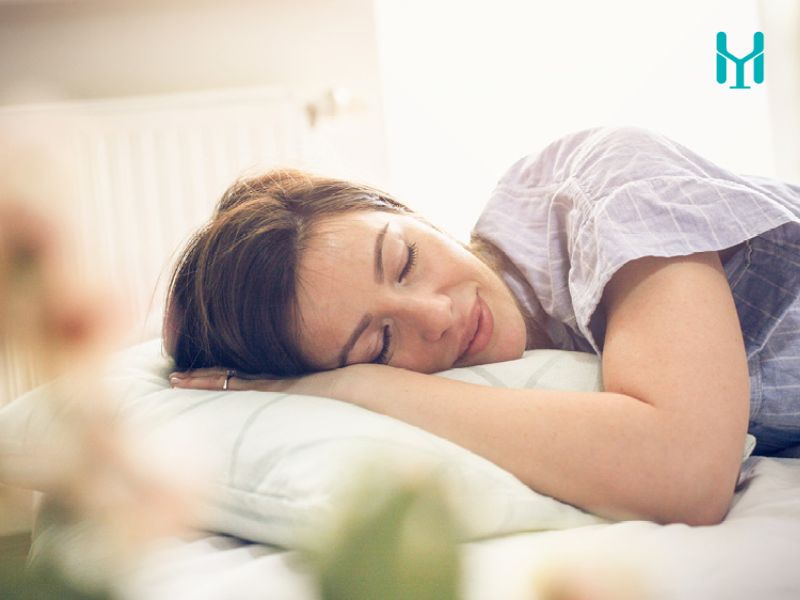
The sleep environment plays a crucial role in creating ideal conditions for deep, restorative sleep. We recommend keeping the bedroom dark, quiet, well-ventilated, and at a comfortable temperature.
Using dark curtains, a lavender essential oil diffuser, or an air purifier can help improve the sleep environment. If needed, earplugs or a white noise machine can mask external noises.
A properly fitting mattress, a comfortable pillow, and blankets that are neither too thick nor too thin are also important factors worth investing in.
Seek medical support when necessary

When natural methods for managing perimenopausal sleep disorders do not bring noticeable results, don’t hesitate to seek medical support. Endocrinologists or psychiatrists may recommend controlled hormone replacement therapy (HRT) to help restore hormonal balance.
Additionally, certain herbal remedies such as valerian root, supplemental melatonin, or traditional medicine formulas may be suggested if suitable for your body. However, any form of medical or supplemental intervention should always be used under a doctor’s guidance to avoid unwanted side effects.

Not everyone requires medical intervention, but there are cases where home remedies are no longer sufficient. If you experience one or more of the following perimenopausal sleep disorder symptoms, it’s important to proactively seek a doctor’s help:
- Persistent insomnia lasting more than one month that doesn’t improve despite lifestyle changes.
- Severely disrupted sleep, causing fatigue and affecting daytime functioning.
- Signs of severe depression, anxiety, or unusual emotional sensitivity.
- Continuous use of sleep medications without improvement.
We recommend consulting an endocrinologist or psychiatrist for an accurate evaluation and a personalized treatment plan.
Hoang Yen Psychiatric Clinic – A trusted center for supporting the treatment of perimenopausal sleep disorders in Hanoi

In Hanoi, Hoang Yen Psychiatric Clinic is recognized as one of the reputable centers for treating issues related to perimenopausal sleep disorders.
With a team of experienced psychiatrists, the clinic not only addresses the symptoms but also focuses on the root causes of the problem. Treatment plans are personalized, combining modern medicine with supportive psychological therapies to help patients safely and sustainably restore natural sleep.
Beyond direct treatment, Hoang Yen Clinic offers counseling programs, long-term monitoring, and family support throughout the treatment process — a significant advantage for women navigating this sensitive stage.
The clinic also provides excellent facilities, a welcoming environment, flexible appointment scheduling, and a dedicated approach to each patient. If you are feeling exhausted from prolonged sleepless nights, this is a place you can trust.
Contact information:
- Address: 12, Alley 44, Do Quang Street, Yen Hoa Ward, Hanoi.
- Hotline: 0974 509 322
- Website: https://phongkhamtamthanhoangyen.com/
Perimenopausal sleep disorders are not uncommon, but they should not be taken lightly. By understanding the causes, recognizing early symptoms, and applying appropriate preventive measures, women can proactively manage their sleep quality, maintaining both physical balance and mental well-being during this transitional stage.
We hope this article has provided you with a comprehensive, practical, and insightful overview. Don’t let silent sleepless nights undermine your quality of life — it’s time to give yourself the restful sleep you deserve, no matter your age.


