


As the psychological pressures of modern society continue to increase, disorders related to cognition and false beliefs are becoming more common than ever. One of these is paranoia, a mental disorder in which the individual firmly believes in things that are not true, even in the face of contrary evidence.
Dealing with this condition is challenging not only for the patient but also for their family and society. The following article will help you better understand the nature of paranoia, its causes, recognizable symptoms, and the most effective treatment methods.
What Is Paranoia?
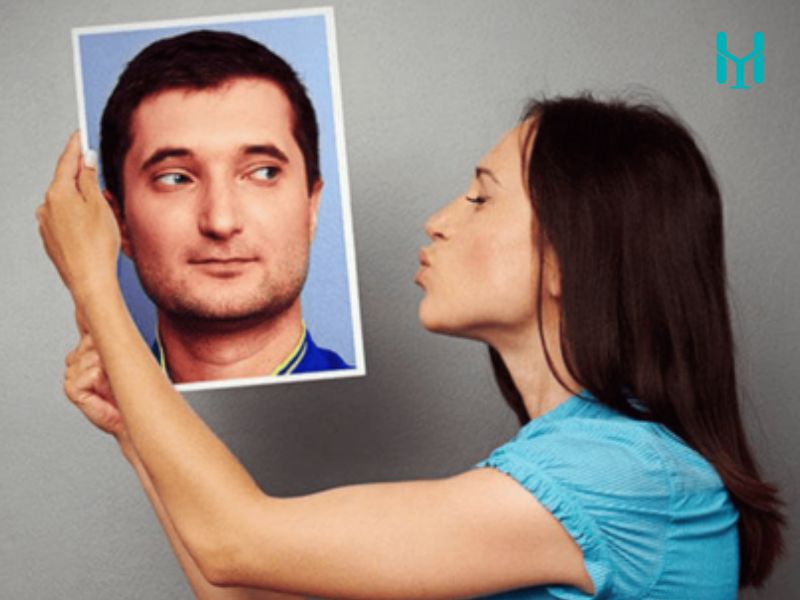
Paranoia is a type of thought disorder in psychiatry, in which the affected individual consistently believes in things that are not real and lack any objective basis, yet cannot be dissuaded by ordinary reasoning.
According to experts, paranoia is considered a serious psychiatric symptom because it deeply affects thinking, emotions, and behavior. Individuals with paranoid ideas often construct their own version of reality and stubbornly defend these false beliefs despite contradictory evidence.
Paranoia is also commonly associated with other mental disorders, such as schizophrenia and bipolar disorder.
We want you to understand that paranoia is not just a “mild illusion” but a condition that requires serious intervention. If left untreated, it can lead to severe consequences in personal life, family, and society.
Common Types of Paranoia

Clinically, paranoia is classified into several types, with the following being the most common:
- Persecutory Paranoia: The individual believes that someone is plotting to harm, monitor, or threaten them. They may avoid family and friends or suspect all behaviors around them.
- Grandiose Paranoia: The individual believes they possess supernatural abilities, special powers, or play an important role in a global mission.
- Jealous Paranoia: Often seen in marital relationships, the person constantly believes their partner is being unfaithful without clear evidence.
- Erotomanic Paranoia: The individual believes that someone—often a famous person—is deeply in love with them, despite never having met or interacted with that person.
- Control Paranoia: They believe that their thoughts, actions, or emotions are being controlled by an external force.
Common Causes of Paranoia Today
There is no single cause of paranoia. Instead, it results from a complex interaction of biological, psychological, and environmental factors. Understanding these causes is an important step in effective prevention and treatment.
Genetic and Biological Factors

According to experts at the National Institute of Mental Health, genetic factors play a significant role in the risk of developing paranoia. Individuals with relatives who have mental disorders such as schizophrenia, delusional disorder, or bipolar disorder have a considerably higher risk.
In addition, abnormalities in neurotransmitters—especially dopamine—have been identified as linked to the development of paranoia. Changes in the activity of the prefrontal cortex and the limbic system can cause the brain to process information incorrectly, leading to the formation of distorted beliefs.
Environmental and Psychological Factors

Prolonged psychological stress, work-related pressure, childhood traumas such as abuse or neglect, or living in unsafe environments can all contribute to the development of paranoia. According to some studies, many patients have previously lived in isolated conditions with limited social interaction for extended periods.
Sociocultural factors also play a significant role in the emergence of paranoia. For example, in the digital age, paranoia about being monitored through phones or social media has become increasingly common.
Interaction with Other Medical Conditions

In many cases, paranoia is a manifestation of underlying mental disorders such as:
- Schizophrenia
- Manic-type bipolar disorder
- Early-stage dementia
- Paranoid personality disorder
This is why accurate diagnosis must always be conducted by a psychiatric specialist.
>>> See more: https://phongkhamtamthanhoangyen.com/dau-hieu-tam-than-phan-liet/
Basic Symptoms of Paranoia
Early recognition of symptoms is key to timely intervention. Paranoia often manifests clearly across many aspects of life, including thinking, emotions, behavior, and communication skills.
Cognitive Symptoms

A key feature is that the individual often maintains one or more false beliefs over a prolonged period, despite contradictory evidence. They interpret every situation in a way that reinforces these beliefs and frequently engage in illogical, over-interpreted thinking.
For example, if they notice someone looking at them, they may believe that person is plotting to harm them. This represents a clear distortion of thinking that cannot be corrected by ordinary reasoning.
Emotional Symptoms

Individuals with paranoia may exhibit prolonged stress, anxiety, or irritability without clear reason. In some cases, they may become indifferent, losing emotional connection with the surrounding world.
These changes not only cause psychological fatigue but also negatively impact personal relationships, leading to increased social isolation.
Behavioral Symptoms

The behavior of individuals with paranoia often includes social avoidance, refusal to meet others, or excessive self-protective tendencies. In some cases, this may escalate to extreme actions such as fighting, violence, or leaving home due to the belief that they are being pursued.
This situation not only harms the individual but also poses risks to those around them if not properly addressed.
Social Communication Symptoms

Communication becomes difficult as the patient lacks trust in others, frequently interrupts, or reasons in a distorted manner. Many withdraw into silence, refusing to interact because they believe their thoughts are being “read” or that they are being “monitored from afar.”
Gradually, the individual narrows their social connections, loses touch with reality, and feels that no one understands them.
Accompanying Symptoms
In addition to the main symptoms, individuals with paranoia may experience sleep disturbances, irregular eating patterns, prolonged fatigue, or changes in appearance. Some signs similar to depression may also appear simultaneously, making diagnosis more complex.
Treatment Methods for Paranoia
Treating paranoia requires a long-term, multi-faceted approach and patience from doctors, patients, and family members. The goal is not only to control symptoms but also to help the patient reintegrate into society.
Treatment Objectives

The primary goal in treating paranoia is to help the patient reduce the intensity and frequency of false beliefs, enhance accurate cognitive functioning, and improve overall quality of life.
Another important goal is to support the patient in maintaining work, study, or daily activities independently, avoiding complete dependence on others.
Medication for Treating Paranoia

Antipsychotic medications are always the first-line choice in treating paranoia. Commonly prescribed drugs include:
- Risperidone
- Olanzapine
- Quetiapine
- Aripiprazole
Dosage and duration are adjusted by the doctor based on treatment response. We strongly advise patients not to stop or change their medication without medical guidance.
Additionally, in cases accompanied by anxiety or depression, doctors may combine antipsychotics with sedatives or antidepressants to manage secondary symptoms.
Using Psychological Therapies

In addition to medication, psychological therapy plays a crucial role. Among these, Cognitive Behavioral Therapy (CBT) has been shown to be highly effective in helping patients evaluate the accuracy of their paranoid beliefs.
Through therapy, patients learn to confront reality, correct distorted thinking, improve emotional responses, and enhance social skills.
Family therapy is also essential to help relatives understand and provide proper support. A positive, non-judgmental environment can reduce psychological stress and prevent relapses.
Hoàng Yến Psychiatric Specialty Clinic – A Trusted and Reputable Center for Paranoia Diagnosis and Treatment in Hanoi

When choosing a place for evaluation and treatment, you need a reputable, high-quality facility that provides peace of mind. Hoàng Yến Psychiatric Specialty Clinic stands out for its dedication, expertise, and comprehensive treatment system. With a team of experienced doctors and psychologists, Hoàng Yến Clinic has become a trusted destination for individuals facing mental health issues, particularly paranoia.
Here, patients undergo a thorough assessment according to international standards, combining clinical examinations, psychological testing, and neurobiological evaluations. After diagnosis, a personalized treatment plan is developed to match the severity of the condition and the patient’s living circumstances.
Beyond medication-based treatment, Hoàng Yến Clinic also offers a modern psychological therapy system, including:
- Individual therapy
- Group therapy
- Family support
- Regular online consultations
Most importantly, the team at Hoàng Yến Clinic is committed to long-term support, helping patients not only overcome paranoia but also regain confidence and autonomy in their lives.
Contact Information:
Address: 12, Alley 44, Do Quang Street, Yen Hoa Ward, Hanoi.
Hotline: 0974 509 322
Website: https://phongkhamtamthanhoangyen.com/dau-hieu-tam-than-phan-liet/
Paranoia is no longer a distant issue in modern society. It exists quietly but dangerously, profoundly affecting the quality of life of both the patient and their family. The good news is that with advances in medicine and psychology, paranoia can be effectively treated if detected early and addressed appropriately.
We believe that raising awareness, sharing knowledge, and proactively seeking professional help are key to helping the community face and overcome this condition in a humane and effective way. If you or a loved one show unusual signs, do not hesitate to contact a reputable medical facility for timely support.


