


Seasonal Affective Disorder (SAD) is a type of mood disorder in which a person’s emotions, energy, and behavior fluctuate according to seasonal changes. When days become shorter, sunlight decreases, or temperatures shift, the body and brain respond in different ways. In this article, we will provide a comprehensive overview of SAD, including its key symptoms, causes, and treatment methods recommended by mental health experts.
Overview of Seasonal Affective Disorder
Seasonal Affective Disorder (SAD) is not just “feeling sad when it’s cold”. It is a cyclical form of depression that typically occurs at certain times of the year, most commonly in winter or summer.
Understanding the mechanisms and manifestations of SAD helps individuals recognize the condition early and seek timely medical support.
What is Seasonal Affective Disorder?

Seasonal Affective Disorder is a type of mental disorder in which a person’s mood, behavior, and energy change depending on the season of the year. According to studies by the U.S. National Institute of Mental Health (NIMH), SAD is considered a recurring form of depression that appears periodically and disappears as the seasons change.
Experts note that natural light plays an important role in regulating the biological rhythm, serotonin, and melatonin, three factors that determine mood and sleep. When light decreases (such as in winter), the brain produces less serotonin, a chemical that helps people feel happy and alert, leading to symptoms of sadness, low energy, and even hopelessness.
Common stages of Seasonal Affective Disorder

Seasonal Affective Disorder can be divided into two main types: Winter SAD and Summer SAD.
- Winter SAD usually occurs when it is cold, days are shorter, and sunlight is weak. Patients tend to sleep more, consume more carbohydrates, and feel sluggish and sad.
- In contrast, Summer SAD occurs when the weather is too hot or the sunlight is too intense, causing insomnia, restlessness, and irritability.
Each type has different symptoms but can seriously affect quality of life, studies, and work if not recognized early.
>>> See more: https://phongkhamtamthanhoangyen.com/roi-loan-giac-ngu/
Common Symptoms of Seasonal Affective Disorder
The symptoms of Seasonal Affective Disorder are not only reflected in feelings of sadness but also affect physical health, eating and sleeping habits, and social behavior. Early recognition of these signs helps doctors develop appropriate treatment plans and minimize long-term complications.
General Symptoms

People with Seasonal Affective Disorder often exhibit:
- Fatigue, low energy, and loss of interest in favorite activities.
- Tendency to isolate, difficulty concentrating, and negative thoughts.
- Physical symptoms such as sleep disturbances, weight changes, and reduced libido are also common.
Some patients describe the feeling as being “trapped in a fog,” unable to escape a gloomy mood lasting for weeks or months.
Symptoms of Winter SAD
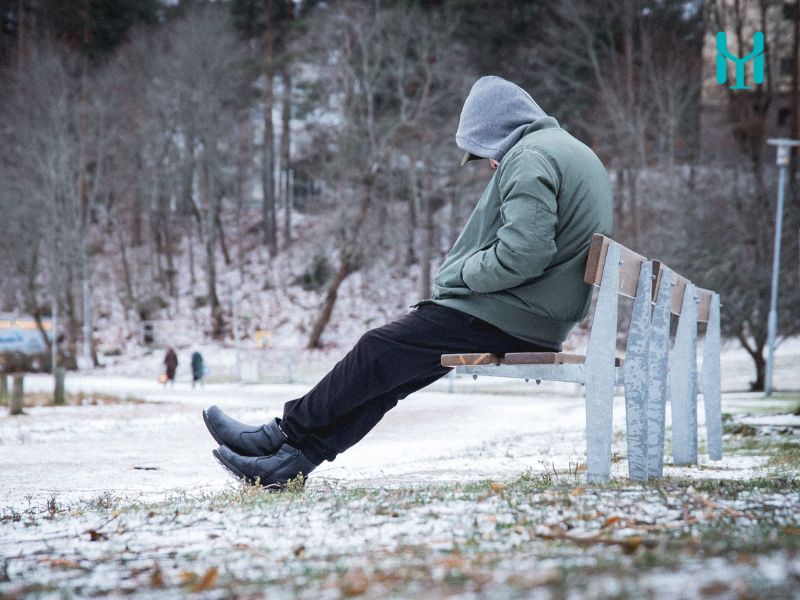
In Winter SAD, patients often tend to sleep more and consume more carbohydrates, especially sweets. Persistent fatigue and sluggishness cause a loss of motivation for work and social interactions.
Experts explain that this is due to a lack of natural light, which lowers serotonin levels and disrupts the melatonin cycle, the hormone that regulates sleep. Additionally, reduced energy can worsen feelings of isolation and low self-esteem.
Symptoms of Summer Seasonal Affective Disorder (Summer SAD)

In contrast to Winter SAD, Summer SAD often causes insomnia, loss of appetite, anxiety, and restlessness. High temperatures and longer daylight hours disrupt the natural biological rhythm.
Some individuals may feel irritable, easily frustrated, and have difficulty concentrating. In severe cases, these symptoms can develop into anxiety disorders or panic attacks, significantly impacting mental health.
Main causes of Seasonal Affective Disorder
The causes of seasonal affective disorder are diverse, involving both biological and mental health factors. Experts say SAD arises from a combination of brain biochemistry, circadian rhythms, and environmental influences.
Serotonin imbalance in the brain

Serotonin is an important neurotransmitter that helps regulate mood and create a sense of well-being. During winter, reduced natural sunlight leads the body to produce less serotonin, resulting in feelings of sadness and depression.
A study by Columbia University found that individuals with SAD have higher activity of the serotonin transporter, which decreases the amount of available serotonin in the brain.
Disruption of melatonin and the sleep-wake cycle
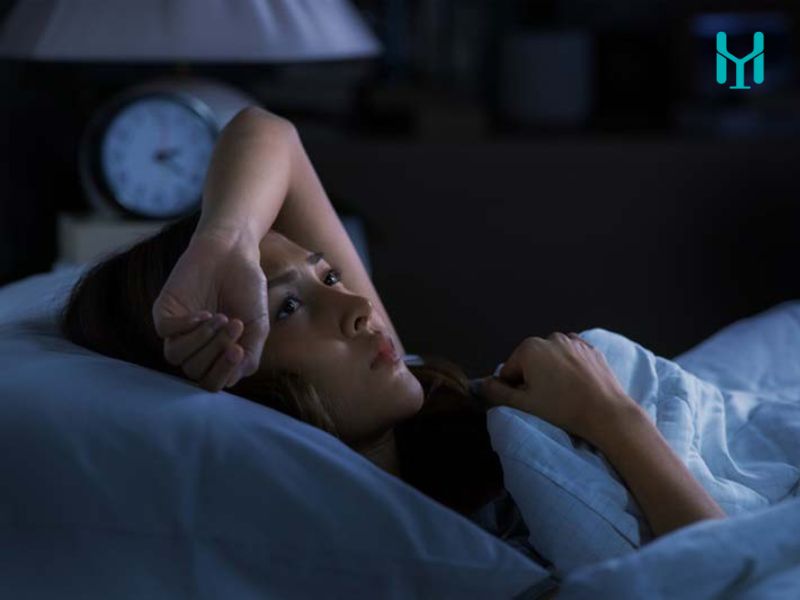
Melatonin is a hormone that regulates sleep and is secreted when it gets dark. In winter, when nights are longer, more melatonin is produced, causing prolonged drowsiness and reduced alertness. Conversely, in summer, melatonin levels decrease, making it difficult for individuals to sleep and leading to irritability.
This disruption not only affects sleep but also alters energy levels and mood throughout the day.
Seasonal circadian rhythm disruption
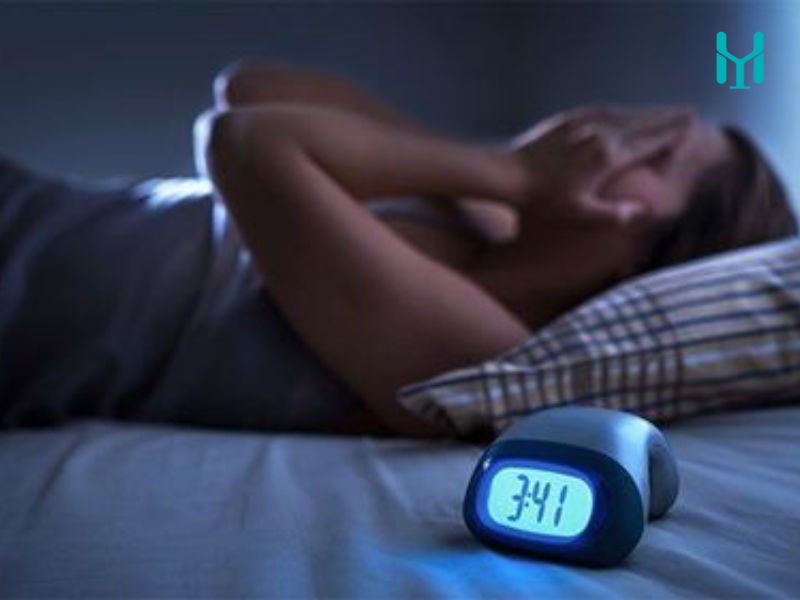
Circadian rhythm is the body’s “biological clock,” regulating sleep-wake cycles and hormone production. When natural light changes suddenly, the circadian rhythm can become misaligned, causing the body to be out of sync with actual time.
This leads to fatigue, lack of concentration, and prolonged mood disturbances. This is also why many experts recommend light therapy for SAD patients.
Psychological and cognitive factors
Besides biological causes, psychological factors play an important role. People with a history of depression, anxiety, or chronic stress are more susceptible to SAD.
Feelings of loneliness, lack of social interaction during cold seasons, or stress from hot weather can worsen symptoms. Some studies also suggest that genetics may influence the risk of developing SAD.
How is Seasonal Affective Disorder (SAD) treated?
Treating SAD requires a combination of methods: light therapy, psychotherapy, antidepressant medications, and lifestyle changes. The choice of method depends on the severity and individual characteristics of each patient.
Light therapy
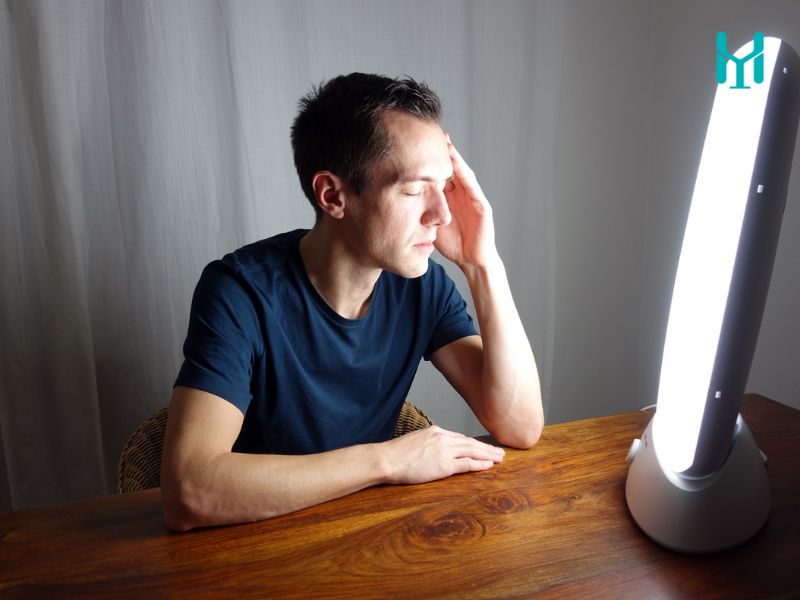
This is the most common treatment method for winter-type SAD. Patients are exposed to high-intensity artificial light that mimics sunlight, helping to regulate the circadian rhythm and boost serotonin levels.
According to studies, just 20–30 minutes of exposure each morning to a 10,000-lux light therapy lamp can significantly improve mood within a few weeks.
Psychotherapy

Cognitive Behavioral Therapy (CBT) is considered an effective long-term treatment for SAD. This method helps patients recognize and adjust negative thoughts while learning to adapt to seasonal changes.
Experts emphasize that maintaining social connections, engaging in light exercise, and practicing mental relaxation also significantly contribute to reducing the severity of seasonal depression.
Medication Use

In cases of moderate to severe SAD, doctors may prescribe antidepressants from the SSRI class (such as sertraline or fluoxetine). These medications help increase serotonin levels in the brain, improving mood and energy.
However, patients should not self-administer or stop the medication on their own and must follow the instructions of a mental health specialist, as misuse can cause unwanted side effects.
Adopting a Healthy, Balanced Lifestyle

Maintaining a regular daily routine, getting enough sleep, exposing yourself to natural light, and having a balanced diet are effective ways to prevent SAD from recurring.
We recommend spending at least 30 minutes outdoors each day, combined with meditation, yoga, or deep breathing exercises to help stabilize mood and reduce stress. Additionally, limiting caffeine, alcohol, and electronic devices before bedtime also provides noticeable benefits.
Hoang Yen Psychiatric Clinic – a trusted and preferred destination for the examination and treatment of mental health disorders.

Nếu bạn hoặc người thân đang có dấu hiệu rối loạn cảm xúc theo mùa, việc tìm đến chuyên gia tâm thần uy tín là điều vô cùng quan trọng.
Phòng khám chuyên khoa tâm thần Hoàng Yến là một trong những cơ sở được nhiều bệnh nhân lựa chọn nhờ đội ngũ bác sĩ giàu kinh nghiệm, từng công tác tại các bệnh viện lớn. Phòng khám áp dụng phác đồ điều trị chuẩn quốc tế, kết hợp giữa y học hiện đại và liệu pháp tâm lý cá nhân hóa.
Contact Information:
Address: 12, Alley 44, Do Quang Street, Yen Hoa Ward, Hanoi.
Hotline: 0974 509 322
Website: https://phongkhamtamthanhoangyen.com/
With a private consultation space, attentive service, and comprehensive support process, Hoang Yen Clinic has helped thousands of patients effectively manage mood disorders, anxiety disorders, depression, and sleep disorders.
If you are looking for a trusted place for care, do not hesitate to contact Hoang Yen Psychiatric Clinic for consultation, diagnosis, and early treatment, because your mental health deserves proper care.


