


Eating disorders in children are an alarming mental health issue that can seriously affect a child’s physical health, psychological well-being, and long-term development. Many parents still mistakenly believe that their child’s poor appetite, picky eating, or irregular meals are just temporary habits.
However, experts warn that if this situation persists, it may be a sign of an eating disorder — a condition that requires early detection and treatment to prevent serious consequences.
Overview of eating disorders in children
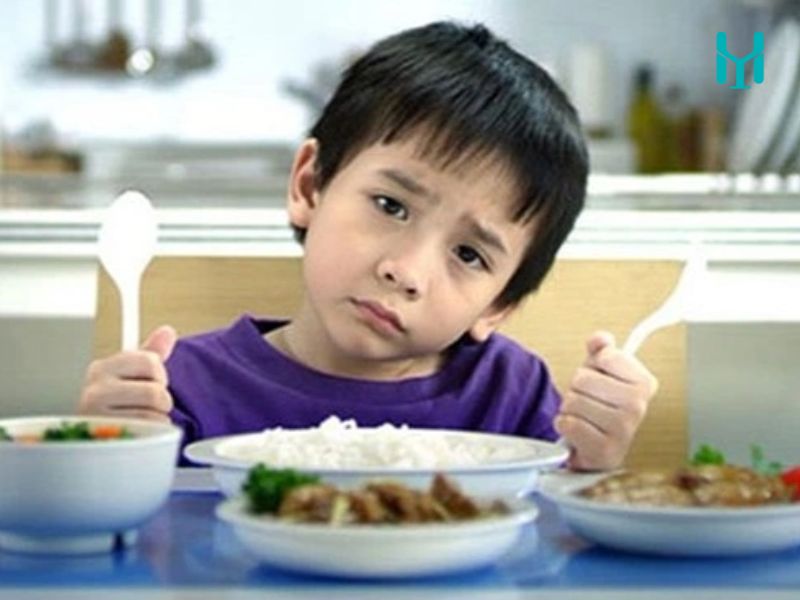
https://phongkhamtamthanhoangyen.com/roi-loan-an-uong/ In children, eating disorders are a group of psychological conditions that directly affect eating behaviors and the child’s perception of their own body. Children with these disorders often develop distorted thoughts about food—such as refusing to eat, extreme food restriction, or even binge eating without control. Beyond nutritional concerns, eating disorders can seriously damage a child’s mental health.
According to psychiatrists, the causes of eating disorders in children often stem from a combination of factors: genetics, environment, academic pressure, parental expectations, or the influence of social media. When children begin to feel insecure about their appearance or develop a fear of gaining weight, eating disorders can quietly take hold and worsen over time.
Common types of eating disorders in children

According to the World Health Organization (WHO), there are several types of eating disorders, but the most common ones in children include:
- Anorexia nervosa
- Bulimia nervosa
- Avoidant/Restrictive Food Intake Disorder (ARFID)
- Pica
Each type has its own characteristics, but they all share one thing in common — they affect both the child’s physical health and mental well-being. Correctly identifying the specific type of disorder is an essential first step for parents to take appropriate intervention measures.
Signs of Eating Disorders in Children That Parents Should Know
Eating disorders in children do not always show obvious signs. Many children may appear healthy and active, yet silently struggle with body image concerns, weight anxiety, or guilt related to eating. Therefore, carefully observing a child’s behavior and emotions is extremely important.
For children with anorexia nervosa

Anorexia nervosa is a condition in which a child tries to lose an excessive amount of weight out of an intense fear of becoming fat, even when they are already underweight. Children with this disorder often refuse to eat, eat very little, or only choose foods that are extremely low in calories.
Parents may notice sudden weight loss, pale skin, hair loss, and frequent weight checking. In addition, the child may show anxiety when food is mentioned or avoid family meals altogether. Experts warn that without early treatment, this disorder can lead to severe malnutrition and hormonal imbalances.
For children with bulimia nervosa

Bulimia nervosa causes children to lose control over their eating habits — they often consume large amounts of food in a short period and then feel guilty afterward.
Children may hide food, eat alone, or eat even when they are not hungry. Many parents only notice the problem when their child gains weight rapidly or seems tired and sad after meals.
According to experts, bulimia nervosa is often linked to stress, anxiety, or depression. Children may use food as a way to cope with their emotions.
For children with Avoidant/Restrictive Food Intake Disorder (ARFID)
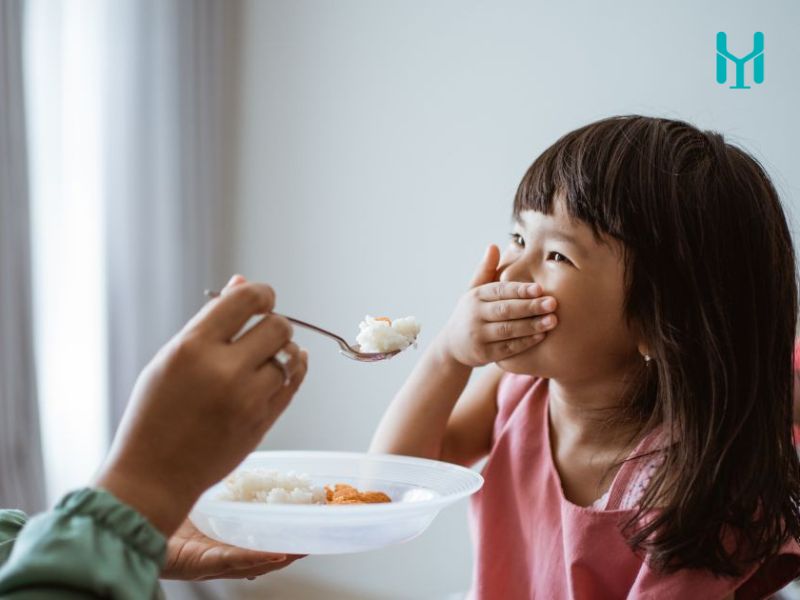
ARFID is a type of eating disorder in which children avoid certain foods because of fears related to their taste, texture, or past eating experiences. These children do not necessarily wish to lose weight, but their avoidance leads to significant nutritional deficiencies.
Parents may notice that their child eats only a few familiar foods, refuses to try new ones, and shows fear or discomfort when smelling or seeing unfamiliar dishes. According to experts, this disorder often begins in early childhood and may be linked to sensory processing issues or specific phobias.
For children with Pica (rối loạn ăn vật)
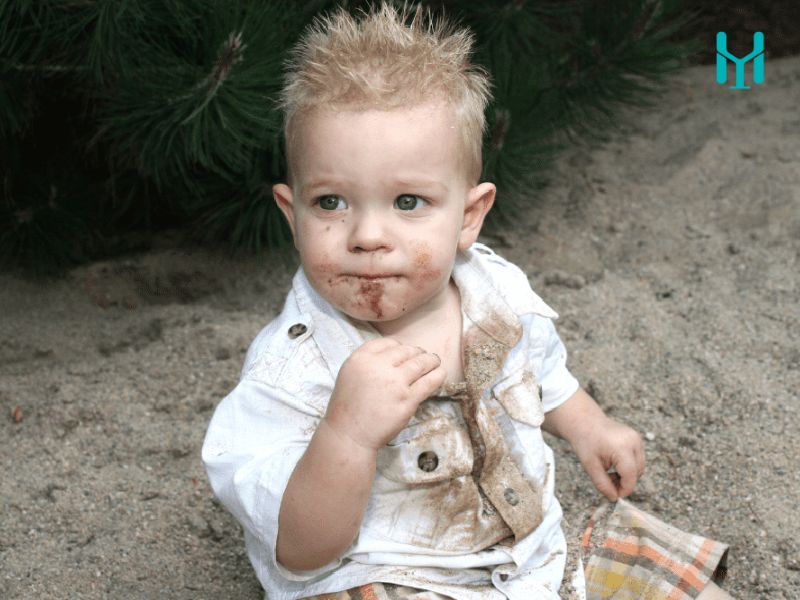
Pica is a condition in which children eat non-food items such as dirt, paper, hair, chalk, or paint. This disorder is dangerous because it can lead to poisoning, intestinal blockages, or other gastrointestinal problems.
Children with Pica often do not realize that their behavior is inappropriate. Parents should be alert if they notice their child frequently putting non-food objects in their mouth or showing unusual behaviors in daily activities.
>>> See more: https://phongkhamtamthanhoangyen.com/roi-loan-phan-ly-o-tre-em/
Serious Complications if Children Do Not Receive Proper Intervention
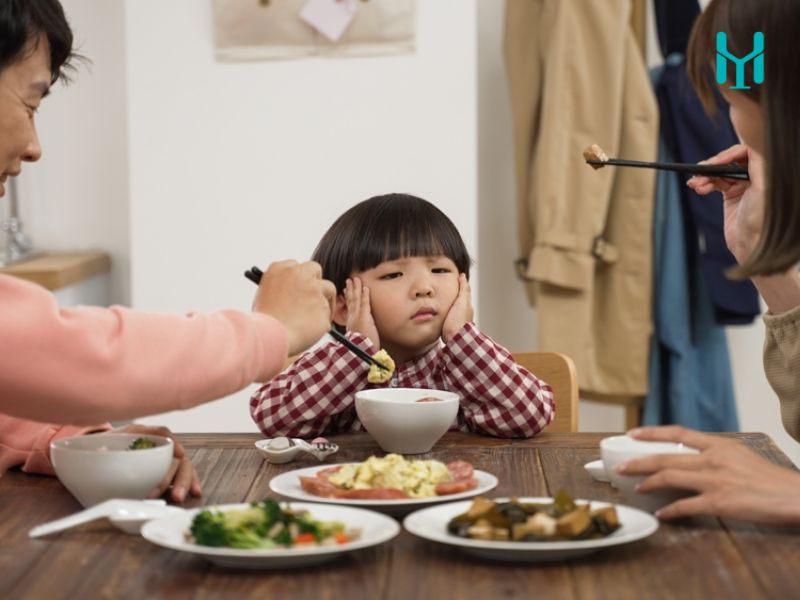
Eating disorders in children not only affect nutrition but can also lead to a range of serious complications. Depending on the severity of the disorder, children may experience malnutrition, hormonal imbalances, osteoporosis, cardiovascular problems, depression, and even risk of death.
In addition, children with prolonged eating disorders may also develop anxiety disorders, sleep disturbances, learning difficulties, and trouble socializing. Body image shame can cause them to withdraw from others and, in severe cases, engage in self-destructive behaviors.
According to experts, early intervention and comprehensive treatment — including psychological therapy, nutritional counseling, and medical care — are key to helping children recover fully.
What Parents Should Do If Their Child Has an Eating Disorder
When noticing unusual eating or behavioral signs, the most important thing parents can do is avoid scolding or forcing the child to eat. Understanding, patience, and emotional support from family form the foundation for helping children overcome eating disorders.
Parents should also take their child to a medical or mental health facility as soon as any concerning symptoms appear.

As soon as any suspicious symptoms are detected, parents should take their child to a specialized psychiatric or nutritional clinic for proper evaluation and diagnosis.
Doctors will conduct tests, perform clinical assessments, and develop an appropriate treatment plan. Treatment may include cognitive behavioral therapy (CBT), group therapy, or a combination with medication in certain necessary cases.
Experts emphasize that early intervention greatly increases the chances of recovery and helps prevent relapse in children.
Building a Healthy Eating Routine

A balanced, nutritious, and well-timed diet is an effective way to help children restore their health. Parents should create a positive and relaxed atmosphere during mealtimes, encourage children to participate in meal preparation, and praise them when they eat well.
Avoid putting pressure on or comparing the child to others, as this can increase anxiety and resistance.
Pay Attention to Your Child’s Mental Health

In many cases, eating disorders stem from deep-rooted psychological issues such as academic pressure, low self-esteem, or family conflict.
Parents should spend time listening, talking, and creating a safe space for their children to share their feelings. Maintaining closeness and trust helps children feel loved and more willing to cooperate during treatment.
Regularly Monitor the Child’s Health and Recovery Progress
Eating disorder treatment is a long journey that requires patience and consistent support. Parents need to work closely with doctors and mental health professionals to monitor the child’s progress and recognize early signs of relapse.
Regular check-ups and adjustments to the child’s diet and daily routine will help them regain balance and confidence in life.
Hoang Yen Psychiatric Clinic – A Trusted Address in Hanoi for Mental Health Consultation and Treatment

For many years, Hoang Yen Psychiatric Clinic has been recognized as one of the leading and most trusted medical centers in Hanoi for treating eating disorders in children as well as other mental health conditions. With a team of highly trained doctors and psychologists, the clinic applies modern therapeutic methods, combining medical treatment with comprehensive psychological support.
Beyond symptom management, Hoang Yen Clinic focuses on supporting families throughout the recovery journey, helping parents understand the underlying causes, proper care strategies, and ways to prevent relapse. Many children treated at the clinic have fully recovered, returned to their normal routines, and shown significant improvements in their mental well-being.
Contact Information:
Address: 12, Alley 44, Do Quang Street, Yen Hoa Ward, Hanoi.
Hotline: 0974 509 322
Website: https://phongkhamtamthanhoangyen.com/
Eating disorders in children are a complex issue that require serious attention and proper intervention. The care, understanding, and companionship of parents are the most valuable emotional remedies to help children overcome this challenge.
When any warning signs appear, parents should seek professional consultation and support as soon as possible, because every early action taken today can help protect your child’s future.


