


In a society with an increasingly fast pace and mounting pressures, Generalized Anxiety Disorder (GAD) has become a major concern for the medical community. Not only does it deeply affect mental health, but it also negatively impacts quality of life, work performance, and social relationships. So, what exactly is GAD, and how does it differ from typical anxiety?
This article will help you clearly understand the nature of this condition, distinguish it from other types of anxiety, identify high-risk groups, and, importantly, provide specific solutions from the perspective of mental health experts.
What is Generalized Anxiety Disorder (GAD)?

Generalized Anxiety Disorder (GAD) is a chronic mental health condition characterized by prolonged, uncontrollable worry without a specific cause. These worries often span multiple aspects of life, including work, finances, personal health, and the well-being of loved ones.
Typical Symptoms
Individuals with GAD often experience the following symptoms:
-
Restlessness and persistent tension lasting more than six months
-
Fatigue, difficulty sleeping, difficulty concentrating
-
Rapid heartbeat, chest pain, shortness of breath, dizziness
-
Feelings of loss of control and continuous negative thoughts
Notably, these worries are often disproportionate to reality, yet they feel very real to those experiencing them.
Why is it called “generalized”?
The term “generalized” is metaphorical: the anxiety is not focused on a single topic but spreads across many areas, occupying the individual’s entire mental life. Patients cannot “rest mentally,” even when no obvious threat is present.
How Does Generalized Anxiety Disorder Differ from Typical Anxiety?
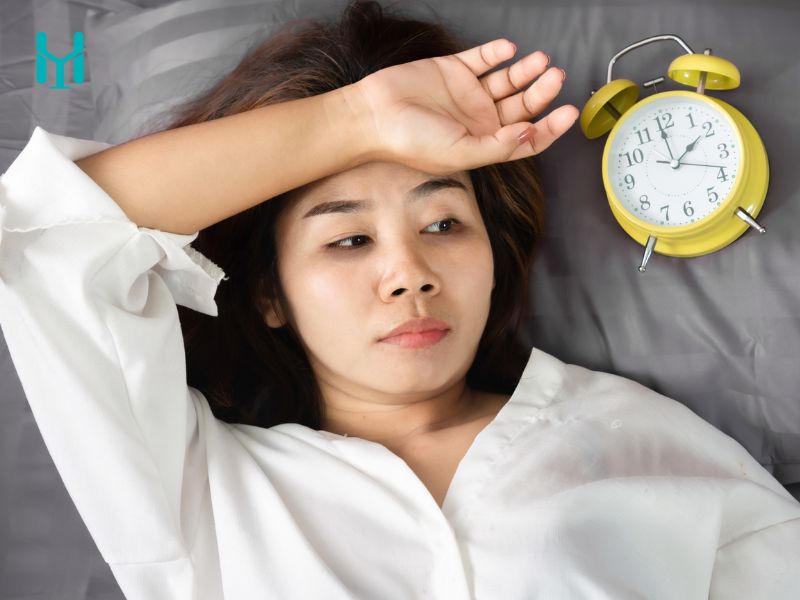
Not all types of anxiety disorders are the same. Understanding the difference between GAD and other types of anxiety helps guide appropriate treatment.
Difference in the Scope of Worry
Normal anxiety is usually tied to a specific situation, such as speaking in public (social anxiety), flying (phobia), or experiencing trauma (post-traumatic stress disorder – PTSD). In contrast, GAD does not depend on any specific external factor.
Difference in Intensity and Duration
While normal anxiety typically occurs in short episodes and can be controlled, GAD persists continuously for six months or longer and does not subside even when the cause of worry is removed.
High-Risk Groups for Generalized Anxiety Disorder

No one is completely immune to GAD, but certain groups are at higher risk:
Women aged 30–50
According to international medical studies, women are twice as likely as men to develop generalized anxiety disorder, especially during perimenopause or when managing multiple family and work responsibilities.
Individuals with a history of anxiety or depression
People who have previously experienced other mental disorders, particularly depression and social anxiety disorder, are more likely to develop GAD.
Stressful living and working environments
Academic pressure, heavy workloads, and prolonged unstable relationships are factors that can trigger and prolong generalized anxiety.
Some Measures to Prevent the Risk of Developing GAD

Although we cannot fully control all anxiety-inducing factors in life, we can proactively reduce risk through healthy habits and lifestyle adjustments.
Building a Healthy Lifestyle
Healthy living habits form the foundation for a stable nervous system:
-
Maintain 7–8 hours of sleep per day
-
Eat a balanced diet, increase green vegetables, and limit sugar intake
-
Exercise regularly to boost serotonin – the hormone that improves mood
WHO experts have noted that 30 minutes of aerobic exercise daily can significantly reduce anxiety levels in high-risk individuals.
Using Relaxation and Stress-Relief Techniques
Highly recommended relaxation techniques include:
-
Meditation and deep breathing to calm the sympathetic nervous system
-
Yoga: combines physical movement with increased emotional awareness
-
Keeping a journal: helps understand and detect early signs of emotional instability
Avoid Stimulants
Alcohol, caffeine, and nicotine are “silent enemies” for people prone to anxiety. They stimulate the central nervous system and can cause persistent restlessness.
Share Thoughts and Feelings When Stressed
This is an important but often overlooked factor. When you learn to share your thoughts safely, you can:
-
Reduce internal pressure
-
Gain new perspectives from listeners
-
Improve social connections – an effective psychological protective factor
If you are not ready to talk to family or friends, seeing a doctor is a safe, confidential, and effective option.
Hoang Yen Psychiatric Clinic – A trusted destination for the evaluation and treatment of generalized anxiety disorder for many patients

With over 10 years of experience in mental health care, Hoang Yen Psychiatric Clinic has accompanied thousands of patients in overcoming generalized anxiety disorder and other mental health conditions.
The clinic brings together psychiatrists graduated from Hanoi Medical University alongside experienced psychological therapists.
They are not only highly skilled but also empathetic and attentive—an essential factor in treating emotional disorders.
What sets Hoang Yen Clinic apart is its multidimensional approach:
-
Combining medical treatment with personalized psychotherapy
-
Designing individualized care plans tailored to each patient group
-
Applying modern therapies such as CBT, ACT, and guided relaxation techniques
In addition, the clinic utilizes an international-standard clinical evaluation system, ensuring accurate diagnosis and continuous monitoring of treatment effectiveness.
Generalized anxiety disorder is not a sign of weakness; it is a serious medical condition that requires timely recognition and intervention. Proper understanding, early detection, and appropriate treatment can help patients return to a normal life—a life no longer dominated by invisible worries.
In Vietnam, public awareness of mental health has gradually improved. We believe that with the right information and a trusted treatment center like Hoang Yen Clinic, you can proactively protect your mental health—leading to a lighter, more fulfilling life.
Contact Information:
- Address: 12, Alley 44, Do Quang Street, Yen Hoa Ward, Hanoi.
- Hotline: 0974 509 322
- Website: https://phongkhamtamthanhoangyen.com/


